U.S. Grants Maduro Access to Frozen Venezuelan Funds for Legal Defense in Drug Case

U.S. Authorities and the Cases Involving Nicolás Maduro
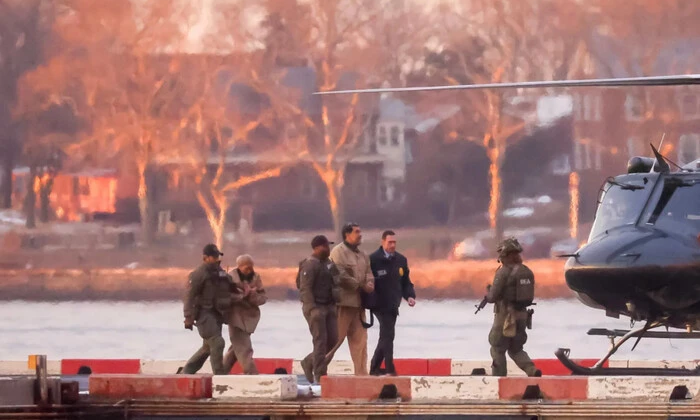
According to Главком: The U.S. government has authorized former Venezuelan President Nicolás Maduro and his wife, Cilia Flores, to tap into frozen Venezuelan state assets to cover legal fees in their drug trafficking case. This decision, made by the Office of Foreign Assets Control, has unblocked the New York trial, which had been stalled due to disputes over lawyer payments. The couple was detained in early January during a U.S. military operation in Caracas.
Initially, Washington barred access to Venezuelan funds, citing the need to maintain the effectiveness of economic sanctions. However, federal judge Alvin Hellerstein raised concerns about the prosecution's stance, prompting U.S. authorities to issue updated licenses for asset use. This shift allows the legal proceedings to move forward.
Next Steps and International Reactions
Maduro and Flores have agreed to withdraw their motion to dismiss the indictment, and Manhattan federal prosecutor Jay Clayton confirmed there are no remaining obstacles to continuing the process. The trial is set to take place in New York. U.S. President Donald Trump asserted that
“the dictator of Venezuela, along with his wife Cilia Flores, was captured and removed from the country.”
In response, Brazilian President Luiz Inácio Lula da Silva stated that
“the former Venezuelan leader Nicolás Maduro should be tried in his homeland, not abroad.”
This ruling could significantly impact the political landscape in Venezuela and the country's international relations. Resuming the trial of Maduro and Flores may reinforce U.S. positions on human rights violations and drug trafficking in Venezuela, while also shaping other nations' views. At the same time, Brazilian President Lula's call for a home-country trial highlights differing regional approaches, likely sparking further debate on the global stage.

Read also