The Myth of the Infinite Reserve, or Why Mobilization of 500,000 in Russia is Impossible
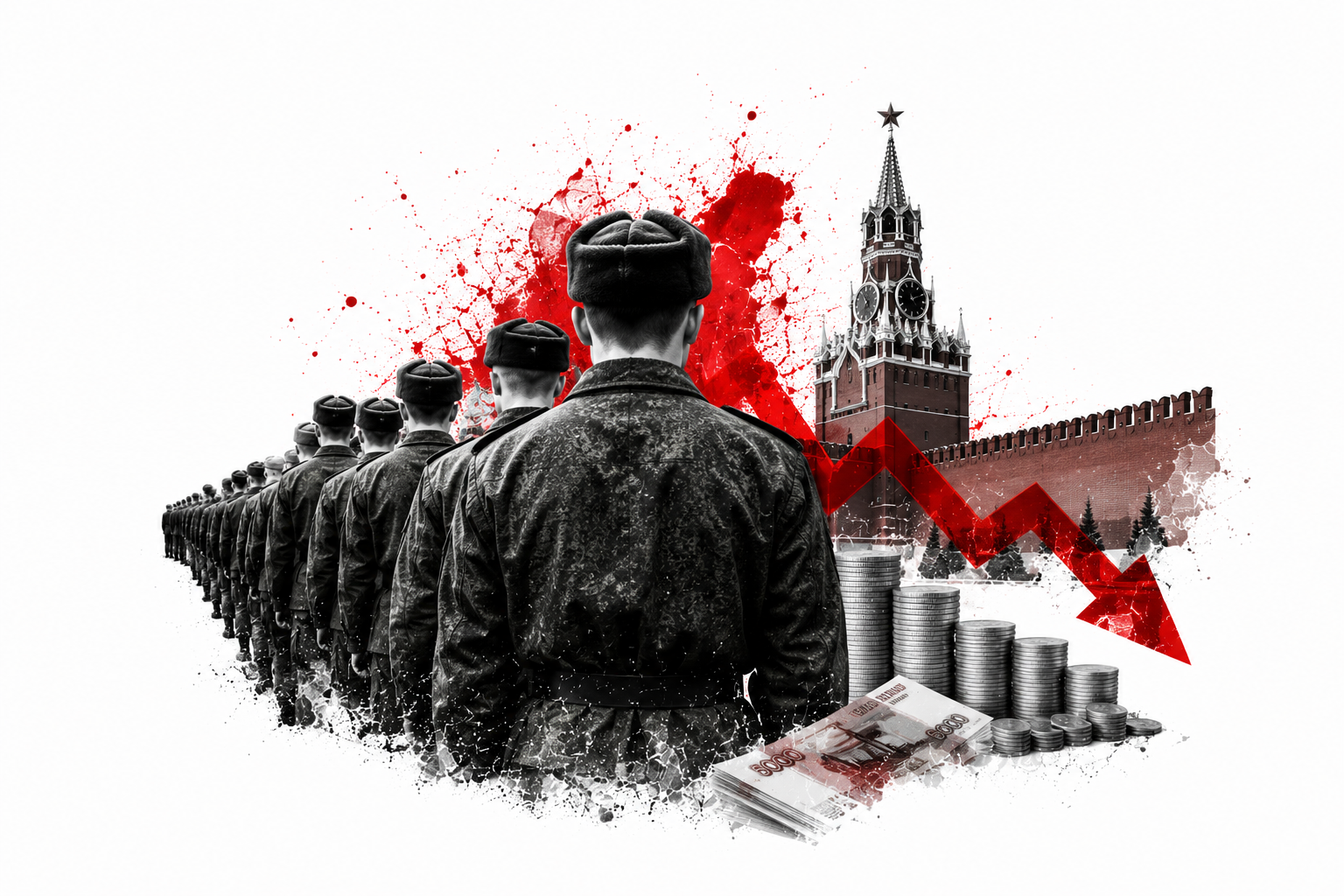
In public discourse, there are regular speculations about a possible large-scale mobilization in Russia. The figures most often mentioned range from 300,000 to 500,000 people, whom the Kremlin supposedly can quickly put under arms.
The primary argument for such forecasts is the demographic potential of a country with a population of over 140 million. However, modern wars are determined not just by the number of people, but also by the economic, industrial, and organizational capabilities of the state.
Human Resources and Labor Shortages
A formal mobilization reserve does not always mean the availability of real personnel resources.
The Russian labor market has been functioning for a long time under conditions of low unemployment and a shortage of qualified workers. The mass removal of several hundred thousand working-age individuals could exacerbate personnel shortages in industry, transport, logistics, and other sectors of the economy.
Particularly sensitive are sectors related to defense production, where training engineers, technologists, and skilled workers requires many years.
The Financial Cost of Large-Scale Mobilization
Any significant increase in army size means not only providing personnel with weapons and equipment but also large-scale long-term budget expenditures.
This includes salaries, social payments, training, provision of equipment, medical services, logistics, and other costs, which amount to hundreds of billions or even trillions of rubles.
At the same time, the Russian budget is already working under conditions of high military spending, which exacerbates the burden on public finances and forces the redistribution of resources between military and civilian programs.
Not Enough People Without Equipment
Modern warfare increasingly relies on technology.
Even a significant increase in personnel numbers does not automatically ensure an enhancement of combat capabilities without a sufficient amount of armored vehicles, artillery, unmanned systems, electronic warfare means, aviation, and ammunition.
Increasing the production of such equipment requires time, production capacity, and substantial financial resources that cannot be scaled up instantaneously.
Political Dimension
Another important factor is social stability.
A large-scale forced mobilization would mean involving a significant portion of the population directly in the war, which could alter social sentiments and create additional political risks.
This is why many states in modern conflicts strive to maximize the use of contract-based military staffing, delaying decisions on mass mobilization as much as possible.
A War of Resources, Not Just People
In modern conflicts, military potential is determined not only by demographics.
Economic resilience, production capabilities, access to technologies, financing, and the effectiveness of the defense industry increasingly affect a state's ability to conduct a prolonged war.
Therefore, evaluating mobilization potential solely based on population size may be too simplistic. The real capabilities of any country are determined by the balance between human resources, economy, industry, and political stability.

Read also