Ceasefire Conditions: When the US Might Resume Strikes on Iran

Under What Conditions US Military Strikes Could Resume
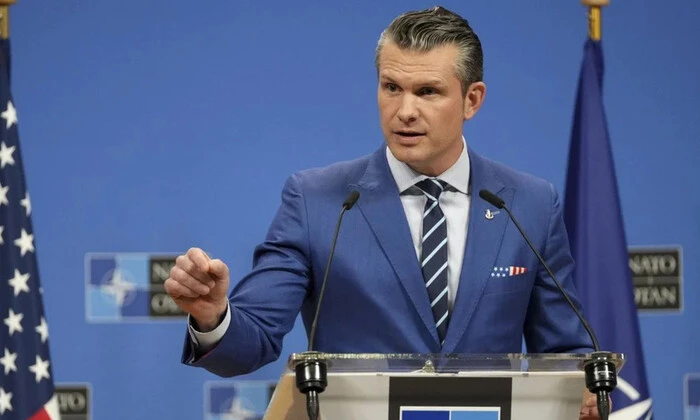
According to Главком: US officials have stated that military strikes against Iran could resume during a planned ceasefire if certain conditions are met. US Secretary of War Pete Hegseth noted that increased Iranian activity could create new targets for American forces.
"The more Iran moves, the more it relocates and positions its forces, the easier they become for us to target," he said.
Hegseth further warned that 'if they attempt to reposition, they will simply create suitable or military targets for a strike, should they make the wrong decision.' This stance highlights the fragile nature of the current pause in hostilities.
Targets Struck and Potential Next Steps
In previous US operations against Iran, over 13,000 targets were struck. This included the destruction of more than 450 ballistic missile facilities, which accounts for roughly 80% of Iran's entire missile infrastructure. Additionally, nearly 80% of the country's nuclear industrial base was also damaged. Despite this significant degradation of military assets, the possibility of renewed operations remains a key consideration.
Chairman of the Joint Chiefs of Staff Dan Cain emphasized that the ceasefire is merely a 'pause.' Meanwhile, Iran may open the Strait of Hormuz for the passage of ships in a limited and controlled manner on April 9 or 10. A meeting between US and Iranian representatives is scheduled to take place in Pakistan, which could become a critical step in de-escalating tensions between the two nations. The decades-long adversarial relationship between the US and Iran means any military shift carries a high risk of renewed conflict.
This situation underscores the complexity of US-Iran relations, where any change in military activity could lead to new escalations. The planned talks in Pakistan may prove decisive for future stability in the region, yet the risk of armed conflict remains high, particularly in light of recent statements from US military officials. Monitoring developments is crucial, as actions by Iran could significantly influence whether tensions in this strategically vital region intensify or subside.
As the situation evolves, ongoing discussions between the US and Iran could significantly influence future military actions. Recent reports indicate that while strikes on Tehran targets persist, the absence of Israel from these negotiations highlights a shift in the dynamics of the conflict. Understanding this context is crucial, as it may reshape the strategic landscape in the region. For more insights on the current state of negotiations and military operations, read about the ongoing U.S.-Iran talks.

Read also