The United States steps down from its mediator role between Ukraine and Russia

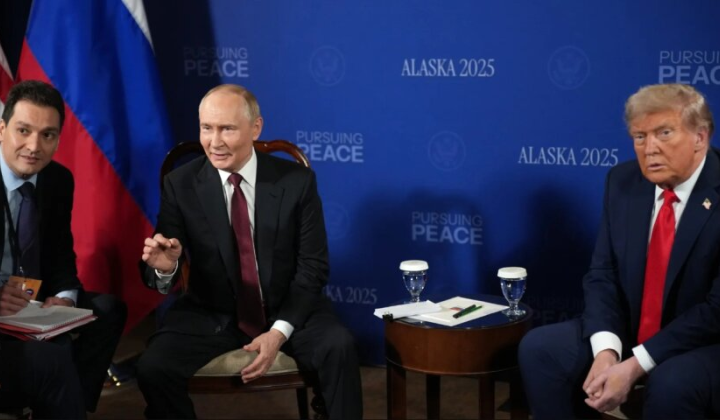
Washington Abandons Mediation Efforts
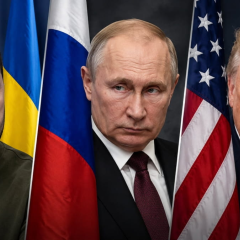
According to ХВИЛЯ: The United States has officially withdrawn from acting as a mediator in the conflict between Ukraine and Russia. Secretary of State Marco Rubio confirmed that the U.S. will no longer serve as a negotiator in this dispute. Former NATO Deputy Secretary General Rose Gottemoeller weighed in, warning that if European leaders take over the talks, their primary challenge will be avoiding the same failures that plagued the Minsk process from 2014 to 2022.
“This is the Minsk process, where the Europeans absolutely failed to achieve results with the Russians and the Ukrainians.” - Rose Gottemoeller
Gottemoeller stressed the necessity of having a note-taker present during negotiations, stating that “the ABCs of negotiations is to make sure there is a protocol officer in the room.” At the same time, she described the Trump administration’s attempts to broker a deal as sincere but “amateurish.”
It is worth noting that Donald Trump had previously indicated he might revisit the Ukraine issue after resolving the situation with Iran. However, during his presidency, the U.S. took no serious steps to persuade Russian President Vladimir Putin to alter his approach to the conflict. Gottemoeller also remarked that “it’s ridiculous when an administration first starts a war of its own choosing and then goes and says, ‘Well, could you help clean up the mess?’”
Current State of the Frontline
At present, Ukraine continues to insist on the existing demarcation line, while Moscow demands control over the entire Donbas region. Gottemoeller emphasized that “Russia will have to atone for the damage and deaths it has caused.” Putin remains convinced of his ability to seize the region, even as Russia increasingly becomes a vassal state to China. Meanwhile, in the fields of artificial intelligence and quantum technology, Russia lags behind Western countries, although both Russians and Ukrainians have shown rapid progress in drone production.
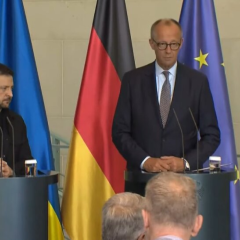
The U.S. decision to step back from mediating talks between Ukraine and Russia could significantly alter the trajectory of the conflict. This move may shift the dynamics of negotiations, potentially prompting European nations to take a more active role in seeking a resolution. As Gottemoeller noted, the involvement of European states could be critical to avoiding the mistakes of the past that doomed the Minsk process. Consequently, the next steps will likely determine not only the outcome of the conflict but also the broader stability of the region.
The shift in U.S. mediation efforts comes at a time when tensions are escalating in Eastern Europe, particularly with increasing violations of Baltic airspace attributed to Russian activities. These developments raise concerns about potential escalation driven by disinformation tactics. To understand the broader implications of these actions, explore how they might affect regional stability and international relations in our detailed analysis of U.S. fears regarding Russian disinformation.

Read also