U.S. Applauds Ukraine's New Negotiator as Delegation Shifts Signal High-Stakes Talks

Ukraine-Russia Negotiations
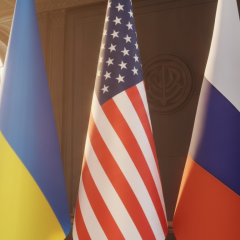
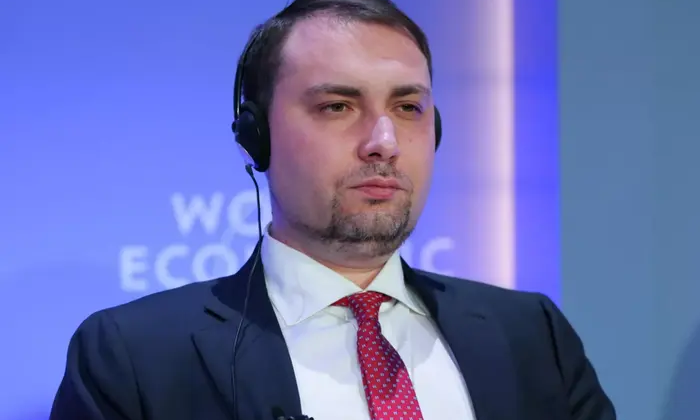
According to Главком: The United States has expressed approval of the negotiating stance adopted by Kyrylo Budanov, the new head of the Office of the President of Ukraine, during recent talks. These negotiations are taking place amidst ongoing military conflict, underscoring the critical need for a diplomatic breakthrough. Attention has also been drawn to changes in the composition of the Russian delegation, with discussions reportedly covering 19 out of 20 potential points for a possible agreement.
Kyrylo Budanov entered the negotiations as a replacement for Andriy Yermak, who previously represented the Ukrainian side. Leading the Russian delegation is Igor Kostyukov, head of the GRU, who is ranked within the top 20 of Russian President Vladimir Putin's inner circle. This indicates an elevation in the status of the Russian delegation, which also includes military officials.
Implications for Future Relations
Vadym Denysenko, Executive Director of the Ukrainian Institute of the Future, noted that the Kremlin could not afford to send a low-status delegation, given the tripartite negotiation format involving the United States. He added that the meeting primarily addresses military issues, as confirmed by Putin's press secretary, Dmitry Peskov.
“The Kremlin could not afford to send a low-status delegation”
Vadym Denysenko, Executive Director of the Ukrainian Institute of the Future
Denysenko emphasized that Kostyukov possesses full authority on military matters, which, in his view, demonstrates the influential position of the Russian side. This, in turn, provides Ukraine and the U.S. with an opportunity to engage directly with a powerful figure who regularly briefs Putin.
The talks are ongoing, and their outcome could significantly influence the future trajectory of relations between the parties. The shift in Ukrainian leadership and the upgraded status of the Russian delegation may signal attempts by both countries to find a compromise in a highly complex situation.

Read also