The USA extended licenses for operations with Lukoil's foreign assets until April 24, 2027

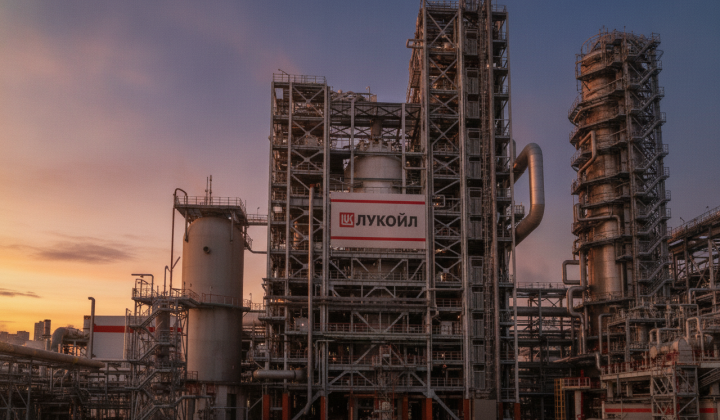
General Licenses for Lukoil Operations
According to Рубрика — Політика: The U.S. Department of the Treasury extended the validity of general licenses for operations with certain foreign assets of the Russian oil company Lukoil until April 24, 2027. These licenses cover Lukoil gas stations located outside Russia, as well as four Bulgarian enterprises, including an oil refinery in Burgas. Additionally, the license regulates the activities of Lukoil International GmbH, which owns Lukoil's foreign business. The license applies to enterprises where Lukoil International GmbH has a stake of 50%.
Among the American subsidiaries covered by the license are Lukoil North America and Lukoil Americas Corporation. The license allows the purchase of fuel and related goods at Lukoil gas stations outside Russia, conducting maintenance of the gas stations, ensuring their uninterrupted operation, or gradually closing them. Permitted operations include:
- payments to suppliers;
- rent payments;
- insurance payments;
- payment of employees' wages.
U.S. sanctions prohibit transferring funds to individuals or legal entities in Russia and to accounts in Russian banks. However, the license does not apply to transactions involving the Central Bank of the Russian Federation, the Ministry of Finance of the Russian Federation, and the National Wealth Fund. Additionally, a second general license allows operations with four Bulgarian subsidiaries of Lukoil: Lukoil Neftohim Burgas, Lukoil Bulgaria, Lukoil Aviation Bulgaria, and Lukoil Bulgaria Bunker. Sanctions exemptions apply to subsidiaries where the stake of one of the listed enterprises is at least 50%.
Impact on the Market and the Sanction Situation
The easing of sanctions concerns a network of approximately two thousand Lukoil gas stations located in Europe, Central Asia, the Middle East, and North America. Specifically, this includes about 200 gas stations in New York, New Jersey, and Pennsylvania, around 600 stations in Turkey, and more than 300 in Romania. Lukoil holds leading positions in the retail fuel market in Moldova and Bulgaria.
On October 22, 2025, the U.S. Department of the Treasury announced the imposition of sanctions against the largest Russian oil companies Rosneft and Lukoil, while the Russian conglomerate Lukoil announced its intention to sell foreign assets in October 2025 and agreed to sell them to Lukoil International trader Gunvor. However, the deal did not go through due to the American regulator's refusal to approve it. On April 14, 2026, the U.S. extended the licenses until October 29, 2026, allowing the operation of Lukoil's foreign network of gas stations and its enterprises in Bulgaria.
“Some of the largest sanctions ever imposed by the U.S. against the Russian Federation,” stated U.S. Treasury Secretary Bessent.
However, the envoy of the head of the Russian Federation, Kirill Dmitriev, denied this opinion, asserting that “U.S. sanctions against Russia will absolutely not affect the RF.” Dmitriev also added that “economic pressure on Russia will allegedly not work, while global oil prices will supposedly rise, which Russian companies will benefit from.”
The extension of the general licenses for Lukoil's operations indicates the complexity and ambiguity of the situation regarding sanctions against Russian companies. It allows Lukoil to maintain its international activities and keep part of its business outside of Russia, despite the restrictions imposed on financial transactions with the country. These licenses may also affect the oil market, as Lukoil is a significant player in the global economy, even under sanctions.
The recent extension of licenses for Lukoil's foreign operations highlights a significant shift in U.S. policy towards Russian assets. This development comes amidst ongoing negotiations involving substantial Lukoil assets, as the Trump administration engages Russia in discussions that could reshape the energy landscape. Understanding these broader negotiations can provide crucial context for the current sanctions and their implications on the market.

Read also