U.S. Proposes a Power Transition Plan for Cuba: What's on the Table for Díaz-Canel's Resignation?

U.S.-Cuba Negotiations Underway
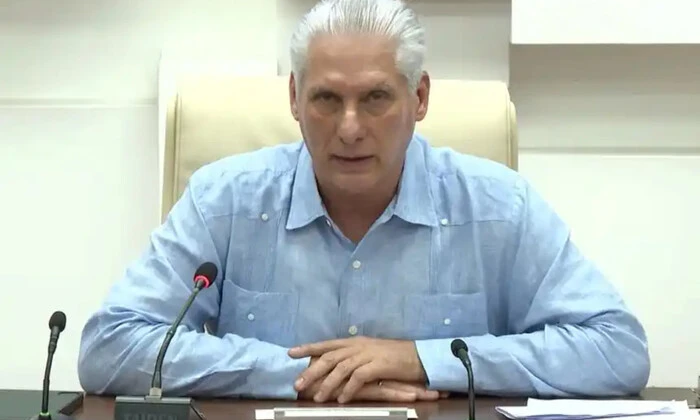
According to Главком: The administration of U.S. President Donald Trump is attempting to persuade Cuban leader Miguel Díaz-Canel to voluntarily step down from his position. These discussions focus on achieving a change in political leadership without the use of force, alongside proposals for economic reforms and the privatization of Cuba's oil sector. Miguel Díaz-Canel has served as Cuba's leader since 2018, with approximately two years remaining in his current term. He is currently 65 years old.
A key Cuban representative in these talks is Raúl Guillermo Rodríguez Castro, the grandson of former leader Raúl Castro. He maintains direct contact with U.S. Secretary of State Marco Rubio. Concurrently, significant economic influence in Cuba is held by the military business conglomerate GAESA, which controls vital industries including tourism and retail.
U.S. Objectives and Proposals
The Trump administration aims to secure a shift in Cuba's political leadership without resorting to military intervention. Among the proposals under discussion are:
- The potential privatization of Cuba's oil sector, an initiative the Cuban side currently opposes.
- The release of political prisoners.
- The removal from power of certain high-ranking officials linked to the political legacy of Fidel Castro.
However, the U.S. is not currently insisting on actions against members of the Castro family.
Donald Trump is considering a scenario that would bring Cuba under U.S. control, underscoring the seriousness of the administration's intent to reshape the Cuban political landscape.
These negotiations reflect the long-standing tension between the United States and Cuba, which has persisted for decades. The U.S. objective to alter the island's political leadership could signal a new phase in bilateral relations, with significant implications for regional politics and economics. The influence of Cuba's military business structures, which may resist U.S.-proposed reforms, is a critical factor in this process. This development comes amid a history of fraught relations since the Cuban Revolution and a U.S. embargo that has shaped the island's economy for over half a century.
As discussions intensify around Cuba's political future, it's essential to consider the broader implications of U.S. involvement. Recent statements from Trump highlight his assertive stance on Cuba, suggesting a potential shift in strategy. For a deeper understanding of the current situation and Trump's perspective, see how he addressed the island's challenges amid significant power dynamics in this latest commentary on Cuba's crisis.

Read also