A New US-NATO Pact on Greenland Focuses on Missiles, Minerals, and Arctic Strategy


US and NATO Forge Agreement on Greenland
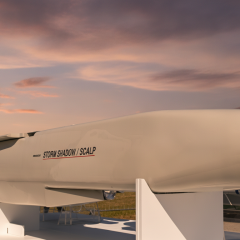
According to Главком: The United States and NATO have concluded a significant agreement concerning Greenland. This pact facilitates the deployment of American missiles, grants mineral extraction rights, and bolsters the Alliance's presence in the Arctic. It is crucial to note that Greenland's sovereignty was not a subject of the negotiations.
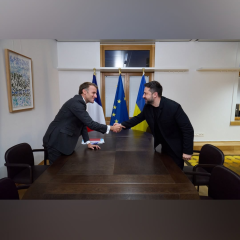
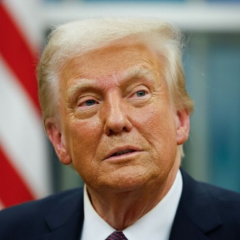
The deal was finalized during a meeting between US President Donald Trump and NATO Secretary General Mark Rutte at the World Economic Forum in Davos. This meeting occurred shortly after Trump's arrival at the Swiss resort. Danish Prime Minister Mette Frederiksen emphasized that Greenland's sovereignty is non-negotiable, while European leaders convened an emergency meeting in Brussels to discuss Trump's statements on the territorial matter.
Control Prospects and Geopolitical Repercussions
Senior officials from NATO member states are considering the possibility of granting the US full control over specific areas of Greenland. In the context of the new agreement, Mark Rutte expressed the view that:
'Regarding the protection of the Arctic, with a priority on Greenland, we must expend more energy, more time, more attention on this, because we know that sea routes are opening.' - Mark Rutte
Consequently, the agreement represents a major step in strengthening the US and NATO's military and economic footprint in the region. This development occurs as melting ice reshapes Arctic geography, heightening its strategic importance for global trade and security.
This pact could substantially alter the geopolitical landscape of the Arctic, where interest in natural resources and strategic pathways is intensifying. Given that sovereignty issues were not discussed, it has raised concerns in Denmark and other European nations, which may perceive it as a threat to their regional interests. With climate change and the potential opening of new sea lanes, the Arctic situation is becoming increasingly critical for international security and the global economy.

Read also