U.S. Reaches Preliminary Peace Deal with Iran

Preliminary U.S.-Iran Peace Agreement
According to Главком: According to analysts, the preliminary peace deal between the United States and Iran signals a financial capitulation by Washington. The agreement outlines 60 days of negotiations focused on Iran's nuclear program, in exchange for Israel halting its military operations in Lebanon against the Hezbollah group. Iran’s lead negotiator, Mohammad Bagher Ghalibaf, stated that
“this agreement is proof of America’s failure.”
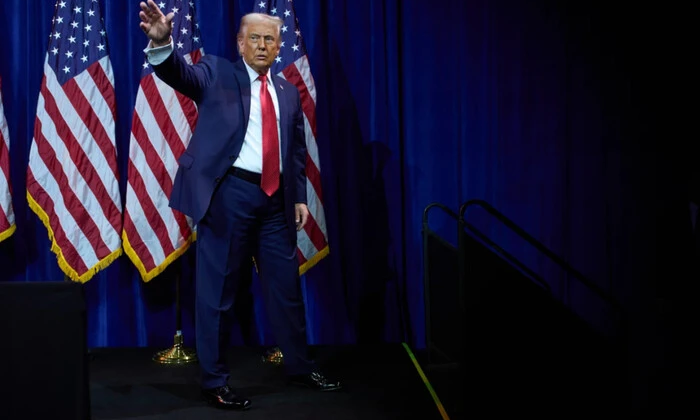
Speaking at Andrews Air Force Base, U.S. President Donald Trump gave Iran 60 days to finalize the deal. He described Iranian leadership as
“very rational, smart, and pleasant people.”
The president also introduced the idea that 'there are no cards,' possibly reflecting his perspective on regional dynamics.
Regional Impact of the Agreement
The deal also grants Tehran the authority to charge fees from oil tankers after a 60-day free period, which was negotiated by Steve Witkoff and Jared Kushner. The United States is withdrawing from the Persian Gulf region, forcing Saudi Arabia, the UAE, Bahrain, Qatar, and Kuwait to negotiate directly with Tehran. Reports indicate that Trump has abandoned the interests of Israel and the Arab Gulf states, drawing sharp criticism.
Key states that could influence the outcome of the U.S. midterm elections, scheduled for November, include:
- Pennsylvania
- Georgia
- Michigan
The New York Times noted that 'Trump and Vance lack a coherent vision for U.S. interests and are utterly uncommitted to any principles of democratic values.' This reflects the complex political landscape in the country amid shifting international dynamics.
This agreement is likely to significantly reshape geopolitical dynamics in the region and U.S. relations with Iran and Arab nations. With rising tensions among states, it is crucial to monitor the next steps in negotiations, as the consequences could affect stability across the Middle East. Meanwhile, domestic political challenges in the U.S. may complicate foreign policy implementation, a factor that will be especially relevant in the lead-up to the upcoming elections.
The recent developments in U.S.-Iran relations have left many regional leaders, including Israeli Prime Minister Netanyahu, feeling sidelined. As the situation evolves, the implications of Trump's decision to halt military actions against Iran raise questions about the future of Middle Eastern diplomacy and security alliances. This shift could significantly alter the balance of power, making it crucial to follow how these dynamics unfold.

Read also