A New 10% Global Tariff on Imports: What It Means for International Trade

The New U.S. Import Tariff
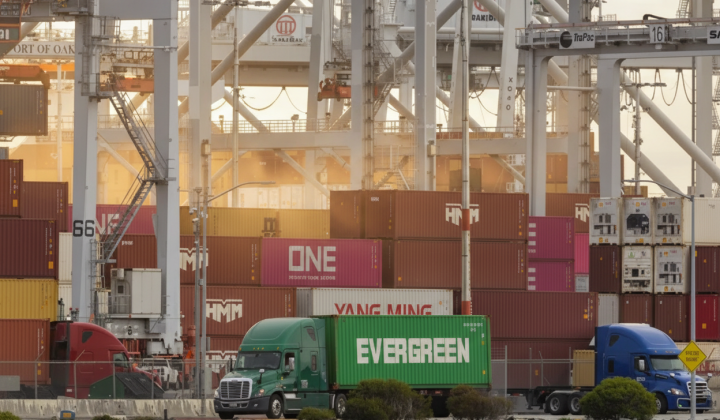
According to Главком: The United States has begun collecting a new, temporary global import tariff of 10%. The administration of President Donald Trump plans to increase this tariff to 15% in the near future. The new levy took effect at midnight and will remain in place for 150 days. This decision is a response to a concerning annual trade deficit in goods, which stands at $1.2 trillion. This move marks a significant shift in U.S. trade policy, potentially disrupting established global supply chains.
Donald Trump signed the corresponding executive order on Friday, setting the initial rate at 10%. The following day, the president announced his intention to raise the rate to 15%. U.S. Customs and Border Protection has already notified importers of the application of the 10-percent tariff. As of Monday, Trump has not yet signed a new order to implement the tariff increase.
Legal Implications and Reactions
The U.S. Supreme Court recently invalidated broader tariffs that were previously imposed under emergency legislation. The court concluded that the American president violated federal law by enacting sweeping tariffs against many countries and that such tariffs exceeded legal authority. The Trade Act of 1974 does allow a president to implement such measures for up to 150 days, providing the legal basis for this temporary action.
In response to the new policy, the White House stated that its position remains unchanged, while European Union representative Maroš Šefčovič described the situation as a transitional period. These changes could significantly impact global trade, raising concerns among U.S. allies about potential retaliation and a broader trade war.
The introduction of the new import tariff has major implications for the global economy, as it could lead to higher prices for imported goods and reduced trade volumes between the U.S. and other nations. It may also trigger reciprocal responses from other states, which could implement similar measures in reaction to U.S. actions. Consequently, the situation could escalate into trade conflicts, affecting economic stability on an international scale.

Read also