Trump Orders Fresh U.S. Strikes on Iranian Targets


U.S.-Iran Conflict Intensifies
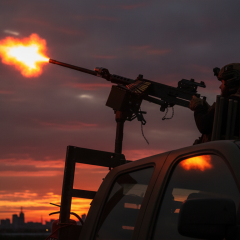
According to Главком: On June 11, 2025, at 5:15 PM Eastern Time, the U.S. Central Command (CENTCOM) launched new strikes against targets in Iran under the direction of President Donald Trump. These confirmed attacks aimed at the port of Sirik in southern Iran. Iranian media reported explosions in multiple locations, including the capital Tehran, and missile launches from Tabriz.
Prior to the latest wave of attacks, U.S. Secretary of Defense Pete Hegseth stated that CENTCOM would be engaged on the evening of June 11. He also remarked:
“If we need to negotiate through bombs, then we will negotiate through bombs”
- Pete Hegseth. This escalation follows an earlier round of U.S. strikes on Iran on June 10, which were retaliation for a downed helicopter. Those strikes hit targets in the cities of Kohestak, Sirik, and Minab.
Iran's Mehr news agency reported that air defense systems were activated in western Tehran, suggesting attempts at countermeasures. Meanwhile, the launch of Iranian missiles from Tabriz signals the country's readiness to respond to U.S. actions. Iran has also accused the United States of violating a ceasefire that had held for nearly seven weeks.
Oil Markets React and Diplomacy Continues
The renewed hostilities have impacted global oil markets, with Brent crude rising to $94.06 per barrel and WTI climbing to $91.12 per barrel. Republican lawmakers have expressed concern over rising prices, particularly for gasoline and food. Senator Shelley Moore Capito noted:
“People are feeling this-not just at the gas pump, but in their grocery bills”
- Shelley Moore Capito. Her colleague John Hawley called for “immediate relief for the American people.”
A Qatari delegation has arrived in Tehran for consultations on a possible diplomatic resolution to the conflict. The situation continues to draw international concern and has significant implications for the global economy.
The escalation of military action between the U.S. and Iran could severely impact stability across the Middle East and spur renewed international efforts toward a peaceful settlement. Rising oil prices may strain economies not only in the United States but also in many other nations reliant on energy imports. Diplomatic initiatives, such as the Qatari delegation's visit to Tehran, could prove critical in reducing tensions and steering the conflict back toward negotiations.
The ongoing tensions between the U.S. and Iran have sparked discussions about potential diplomatic solutions, even as military actions escalate. As President Trump considers options for peace, including a possible agreement following recent strikes, the complexities of a ceasefire remain a critical focus. Understanding these dynamics is essential as the situation develops further.

Read also