Gianni Marchesi’s Study Uncovers 8th Century BCE Cuneiform Inscription Linked to King Astiru II of Carchemish

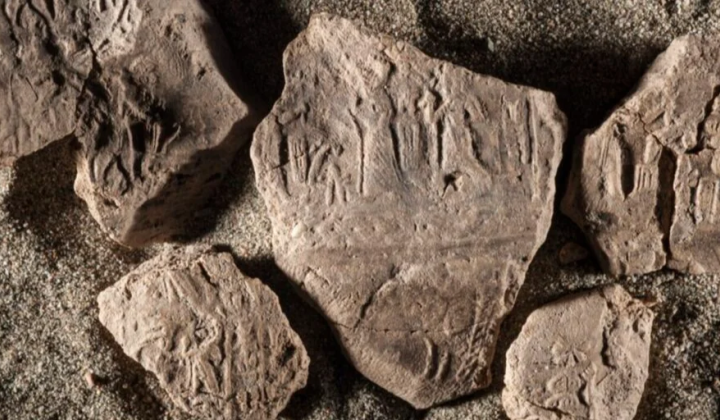
Analysis of the Basalt Inscription from Carchemish
According to НВ — Техно: Gianni Marchesi, a scholar from the University of Bologna, has examined a basalt inscription from Carchemish dated to the mid-8th century BCE, attributing it to King Astiru II, the penultimate ruler of the city. This cuneiform text reveals the Assyrian influence on Carchemish, which emerged as the capital of a new Neo-Hittite kingdom following the collapse of the Hittite Empire and acted as a vassal state to the Neo-Assyrian Empire.
The basalt inscription was discovered over a century ago in ancient Carchemish, a city located on the Euphrates River at the modern border between Turkey and Syria. After the Hittite Empire fell around 1200 BCE, Carchemish became the seat of one of the Neo-Hittite kingdoms. While its rulers typically inscribed monumental texts in Anatolian hieroglyphs, the inscription studied by Marchesi is written in cuneiform-a script commonly used in Mesopotamia.
Significance and Rediscovery of the Inscription
During British Museum excavations in 1911–1912, ten fragments of this inscription were uncovered near Carchemish’s Water Gate. Unfortunately, these fragments were subsequently lost, with only photographs of paper impressions remaining. In 2012, a joint Turkish-Italian expedition located a single surviving piece measuring approximately 15.5 by 12 cm in the storage of the Museum of Anatolian Civilizations in Ankara. On this fragment, Marchesi identified two signs forming the beginning of the title “Queen of Carchemish,” referring to Kubaba, the city’s protective goddess. Another fragment contains part of the title “King of Carchemish.”
The title “queen” is inscribed according to the Hittite writing tradition, while the city’s name follows Assyrian orthography. Based on the partially preserved royal name, Marchesi attributes the inscription to Astiru II, who ruled until 738 BCE. Previously, the text had been assigned to the king Asatuwatamaya (later referred to as Astuwalamanzi). While earlier research linked the inscription to a bilingual monument featuring a lion sculpture with hieroglyphs, Marchesi argues these are distinct artifacts.
Carchemish, a vassal of the Neo-Assyrian Empire, was fully annexed by Assyria under Sargon II in 717 BCE. Marchesi’s findings are published in a volume edited by archaeologist Nicolo Marchetti, released by the University of Bologna and the Ante Quem publishing house.
Marchesi’s research highlights Carchemish’s role as a significant cultural and political hub in the aftermath of the Hittite Empire’s fall. The inscriptions reflecting Assyrian influence provide valuable insights into the complex interstate relations of the ancient Near East. This study also lays important groundwork for future archaeological work and enhances our understanding of the region’s historical development.

Read also