High Anti-Corruption Court Judge Rejects Plea Deal with Ex-Lawmaker Pashynskyi

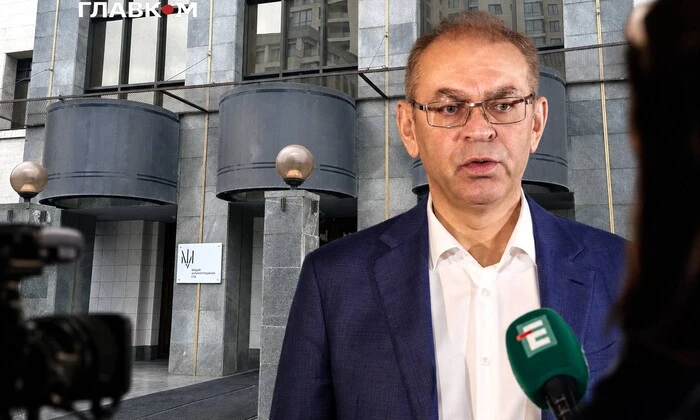
Court Rejects Plea Agreement in Serhiy Pashynskyi Case
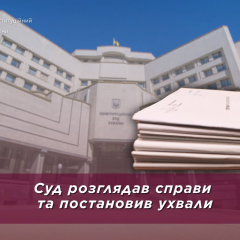
According to Главком: Judge Oleh Tkachenko of the High Anti-Corruption Court (HACC) has refused to approve a plea agreement between the Specialized Anti-Corruption Prosecutor's Office (SAPO) and former lawmaker Serhiy Pashynskyi. The decision was based on several key issues: the prosecutor who signed the deal lacked the proper authority, the parties failed to agree on a final sentence, and no additional penalty of asset forfeiture was included. This case is part of Ukraine's broader crackdown on high-level corruption, which has intensified in recent years.
The charges against Pashynskyi stem from the alleged theft of 100,000 tons of oil products linked to Serhiy Kurchenko in 2014. In mid-May 2023, an indictment along with a plea agreement was submitted to the court, in which Pashynskyi admitted guilt under parts 1 and 2 of Article 255 of Ukraine's Criminal Code, covering the creation of a criminal organization and abuse of office, respectively.
Reasons for Rejection and Implications
Notably, the SAPO prosecutor who signed the agreement did not have the required authority, and the parties had not finalized a specific punishment for Pashynskyi. Furthermore, the deal omitted a mandatory additional penalty of asset forfeiture, despite Part 1 of Article 255 explicitly requiring it without alternative. Pashynskyi's case file contains approximately 200 volumes, and the pre-trial investigation concluded in early 2025.
In February 2024, six defense companies posted bail for Pashynskyi totaling 272.5 million hryvnias (about $7.3 million). Investigators determined that Pashynskyi and Serhiy Tyshchenko had set up a criminal organization to siphon off the oil products. It is worth noting that in 2020, a court ordered the special confiscation of the oil products and related funds.
- A state-owned enterprise sold raw materials at below-market prices to a company under the group's control.
- Part of the proceeds were funneled into accounts of other controlled business entities.
- The National Anti-Corruption Bureau of Ukraine (NABU) reported that not a single hryvnia from these transactions reached the state budget.
The prosecution can resubmit the plea agreement after addressing the identified deficiencies. If the court rejects it again, the case will proceed to a full trial. As a result, the future of Serhiy Pashynskyi remains uncertain, and the case continues to draw public and law enforcement attention.
The court's refusal to approve the plea deal highlights serious procedural flaws that could impact further investigation of the case.
Amid Ukraine's intensified anti-corruption efforts, cases involving high-profile figures like Pashynskyi remain in the spotlight, underscoring the critical need to adhere to legal standards and procedures in combating corruption.
The recent decision by Judge Oleh Tkachenko highlights the complexities surrounding the case of Serhiy Pashynskyi, particularly in light of his earlier admission of guilt and commitment to support Ukraine's military. This contrast raises questions about the implications of the court's rejection of the plea deal and what it means for ongoing anti-corruption efforts in Ukraine.

Read also