Russia Identified as NATO's Primary Threat in Swedish Intelligence Report

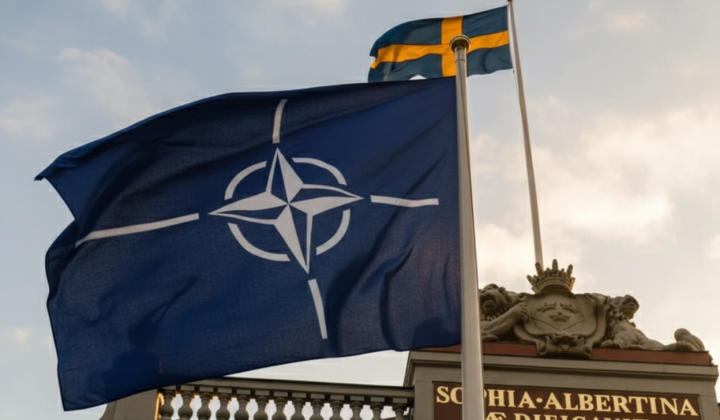
Russia's Military Threat
According to Главком: In its annual assessment, Sweden's military intelligence and security service has designated Russia as the principal military threat to both Sweden and the NATO alliance. The report details that the Kremlin employs a wide array of coercive tools, such as:
- military provocations
- hybrid warfare operations
- airspace violations
- sabotage activities
- cyber operations
Since Sweden's accession to NATO, countering these Russian threats has become a cornerstone of the nation's defense policy. This assessment reflects a broader European security concern that has intensified since Russia's full-scale invasion of Ukraine.
Estonian Intelligence Assessment
Estonia's Foreign Intelligence Service has also released its annual review, stating that Russia does not currently plan a military attack on any NATO member state in the immediate future. However, the Estonian assessment notes that Russia continues to rebuild its armed forces and is closely monitoring Europe's rearmament efforts. Moscow is simultaneously seeking to expand cooperation with the United States, aiming for the removal of American sanctions.
Consequently, within the regional security context, Russia persists in advancing its aggressive strategies, which continue to alarm NATO members and Sweden. Swedish intelligence emphasized that
“Russia is the primary military threat to Sweden and NATO,”
while the Estonian service added that
“despite this illusory lull, Russia's goals remain unchanged: it seeks to marginalize the United States and NATO and to reshape Europe's security architecture according to Moscow's vision.”
In response to these evaluations, NATO nations, including Sweden and Estonia, are strengthening their defensive postures and deepening mutual cooperation to adequately address potential threats from Russia. The regional situation remains complex, and Moscow's future actions could have severe implications for European security and global stability.

Read also