Taiwan Trains Civilians in Drone Operation as Part of Invasion Preparedness

Civil Defense Program Launches in Taiwan
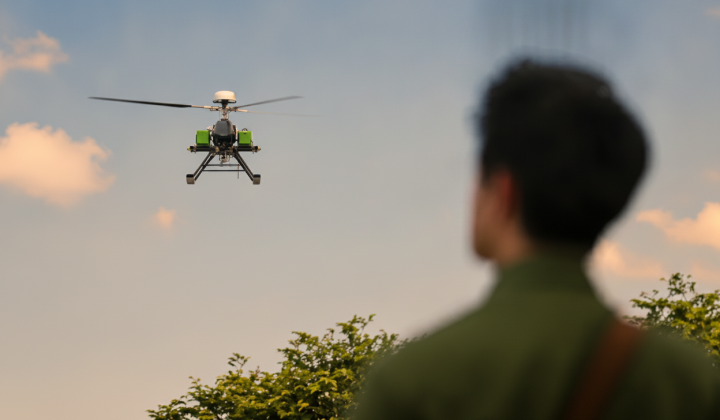
According to Главком: Taiwan has introduced its first-ever civil defense program featuring drone pilot training. The initiative kicked off in May of this year and has already drawn significant public interest. Participants span a wide age range, from young people to seniors. For instance, 48-year-old Pan Chien-chin, who works at a food processing company, is among the first cohort of enrollees. He emphasizes that the war in Ukraine has reshaped perspectives on drone usage, stating:
“It’s like I’ve gained another skill I can use if ever needed.”
As of December last year, the number of registered drones in Taiwan exceeded 39,000. In 2024, the minimum age for drone registration was lowered to 14, which could further boost the technology’s popularity among younger demographics. Some high schools in Taipei also host summer camps where students learn to assemble drones, underscoring the growing role of drones in modern society.
High Demand for Training and Volunteer Efforts
The course at Kuma Academy is in high demand-spots are fully booked through August, with roughly 75 people able to train each month. One anonymous participant noted that while he is not a military member, “if a Chinese invasion ever happened, as a citizen, I’d want to be able to help in some way.” The program is not intended to arm civilians, according to Kuma Academy spokesperson Tang Tsung-yi.
Taiwan also has over 30 civilian protection volunteer groups, reflecting active citizen engagement in security matters. In other words, the country is preparing its residents for potential threats, particularly a possible invasion by China. The drone training program is part of a broader strategy aimed at enhancing public readiness for emergencies.
This initiative highlights the growing awareness and preparedness of Taiwanese society in the face of potential dangers, likely driven by the tense geopolitical climate in the region. Involving civilians in drone operation training not only builds their skills but also fosters a shared understanding of the importance of emergency readiness. Amid rising tensions around Taiwan, this could signal an increase in self-organization and active public participation in security matters-a key element of national defense.

Read also