Kyiv Faces Sewer Disruptions Amid Russian Strikes as Utility Bills Could Surge to 11,000–12,000 Hryvnias

Forecasting the Rise in Utility Costs
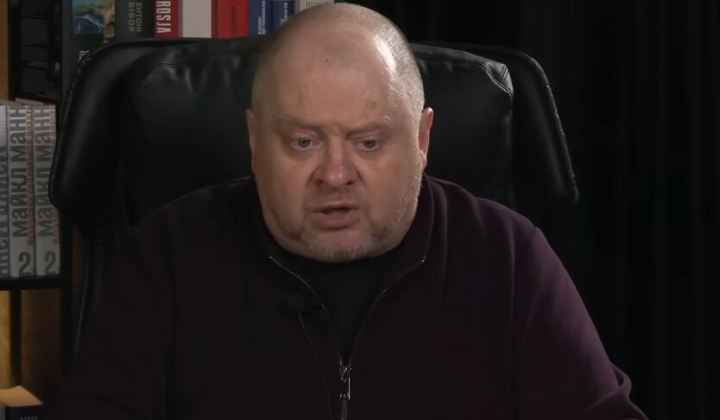
According to ХВИЛЯ: Oleh Popenko, head of the Consumers’ Union for Communal Services, has analyzed potential increases in utility tariffs in Ukraine based on scenarios released by the International Monetary Fund (IMF). He estimates that monthly payments for a 50-55 square meter apartment could climb to between 11,000 and 12,000 hryvnias. The IMF’s strictest projections anticipate electricity prices rising to 9.7 UAH per kWh and gas to 22 UAH per cubic meter (including VAT) over the next three years. Meanwhile, a softer scenario suggests rates would reach 6 UAH per kWh for electricity and 17.2 UAH per cubic meter for gas. Currently, Ukrainians pay 4.32 UAH per kWh for electricity.
Popenko warned that hikes in electricity and gas tariffs will inevitably push maintenance costs for apartment buildings up by 10-15%, varying by building type. Heating expenses alone could range from 6,000 to 9,000 hryvnias for a 50-square-meter apartment. He highlighted that 90-95% of Ukrainians would struggle to afford such charges, posing a serious economic threat to households.
Water Supply and Sewage Challenges
The Ministry of Energy has confirmed that tariff adjustments will only take place after martial law ends. However, recent Russian attacks on Kyiv have damaged water utility infrastructure, causing sewage backlogs and interrupting water supply in the Vyshneve area. Popenko pointed out that residents on lower floors of apartment buildings face the highest risk due to potential sewer pipe blockages.
“If water supply stops along with sewage services, people living on the ground floors are most vulnerable. Wastewater could back up and flood bathrooms and toilets,” Popenko explained.
Instances have already been reported in Kyiv where some residents have resorted to purchasing portable toilets, though this is not a comprehensive solution. Serhiy Sukhomlyn, former head of the Recovery Agency, noted that portable toilets still require regular emptying and waste disposal. Popenko recommended exploring the installation of backup systems for sewage networks.
“It’s essential to understand how the sewage systems in basements are arranged so that backup power sources can be connected,” Popenko stated.
Should sewage disruptions persist, Popenko suggested deploying mobile sanitation units capable of serving up to 50,000 people. “These units offer more than just sewage handling – for example, they provide handwashing facilities. They represent a large-scale resilience measure,” he added. Authorities are urged to start implementing such solutions in districts where sewer system failures are likely.
Adjusting utility tariffs presents significant challenges for the government, as increased costs could severely impact many citizens’ livelihoods. Given the ongoing war and economic uncertainty, establishing backup sewage infrastructure and related measures will be critical to meeting basic needs and preventing a humanitarian crisis.

Read also