Trump's Interest in Greenland Fuels Intensifying Arctic Power Struggle

Rivalry Heats Up in the Arctic
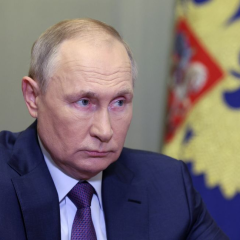
According to Главком: The competition for influence in the Arctic is accelerating, with former U.S. President Donald Trump expressing a desire to bring Greenland under American control. This resource-rich region is drawing attention not only from the United States but also from Russia, which already holds substantial sway in the Northern Arctic Ocean. The strategic importance of the Arctic has grown significantly due to climate change, opening new sea lanes and access to untapped resources.
The Russian Federation controls roughly half of the landmass and maritime economic zone within the Arctic Circle. Over 60% of the region's population is Russian, and Moscow oversees two-thirds of the Arctic's GDP. Crucially, of the 66 major military bases in the area, 30 belong to Russia, while 36 are operated by NATO member states. These factors underscore Russia's significant presence and readiness for assertive action in this strategic theater.
Greenland's Strategic Value
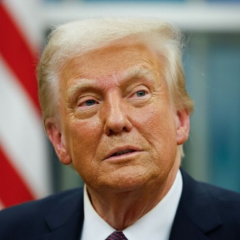
Meanwhile, Greenland, an autonomous territory of the Kingdom of Denmark, attracts interest due to its wealth of natural resources, including gold, copper, zinc, and rare earth metals. Trump has argued that no country except the United States can ensure Greenland's security, stating:
“We are a powerful country, far more powerful than you can imagine.” - Donald Trump
He also referenced historical precedent, noting:
“That was clearly seen in Venezuela two weeks ago.” - Donald Trump
Furthermore, the Northern Sea Route and the Northwest Passage are becoming increasingly navigable, creating new opportunities for international trade. Russia actively uses these routes to export energy resources to Asia, circumventing international sanctions. As competition for Arctic resources and shipping lanes intensifies, the positions of the U.S. and Russia become increasingly critical for understanding global geopolitics.
Thus, the struggle for the Arctic is not only escalating but also taking new forms, including potential U.S. efforts to bolster its position in Greenland in the face of Russia's growing regional influence. This situation highlights the Arctic's importance as a key geopolitical arena where the interests of multiple nations converge. With global warming and melting ice caps, access to new maritime routes and natural resources is becoming ever more pressing. In the context of Russia's enhanced military presence, U.S. moves regarding Greenland could become a pivotal element in shaping new security and economic strategies for the Arctic.

Read also