Can a New Deal Prevent Iran from Acquiring Nuclear Weapons? Trump’s Stance and the Stalled Talks

Iran’s Nuclear Program: A Growing Concern
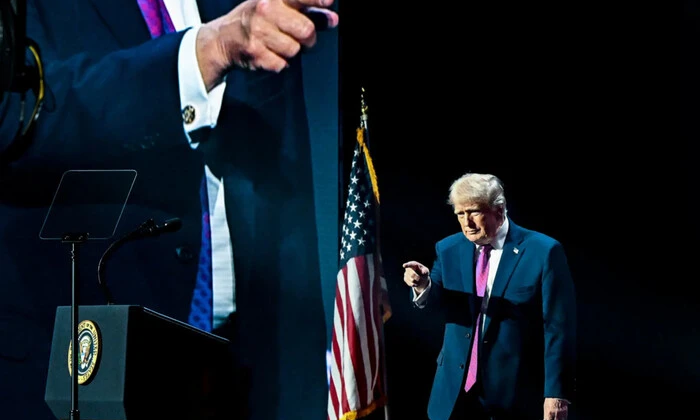
According to Главком: Donald Trump is firmly committed to preventing Iran’s theocratic regime from obtaining nuclear weapons. This issue gained urgency after the U.S. withdrew from the 2015 nuclear agreement, formally known as the Joint Comprehensive Plan of Action. Since that withdrawal, Iran has significantly expanded its nuclear activities, enriching uranium to 60% purity-far beyond the 3.67% limit set by the original deal. Experts estimate that Iran has now stockpiled enough uranium to potentially build around 10 bombs within a matter of weeks.
Negotiations and Their Outcomes
In response, the U.S. administration has proposed a 20-year freeze on uranium enrichment. However, analysts stress that any viable solution must also involve the return of international inspectors and the transfer of Iran’s existing uranium stockpile to the United States or another nuclear-armed nation. The American negotiating team is led by Jared Kushner and Steve Witkoff, while Iran’s delegation is headed by Foreign Minister Abbas Araghchi, who was instrumental in crafting the original nuclear deal a decade ago.
Despite talks that concluded on April 12 without any tangible progress, Tehran has rejected Trump’s demand to hand over its enriched uranium to the U.S. Russia offered to take the material instead, but the White House did not support this proposal. Adding to regional tensions, Iran maintains control over the Strait of Hormuz, a critical maritime chokepoint. Domestically, Iran faces severe economic challenges, including a collapsing currency and widespread protests fueled by inflation.
Tehran has denied reports of a planned direct meeting between Iranian and U.S. officials in Pakistan, stating that the Iranian side has no intention of engaging with the American delegation. According to Iranian Foreign Ministry spokesman Esmaeil Baqaei, any comments or proposals from Tehran will be conveyed through Pakistani intermediaries.
“If Iran is allowed to keep its current stockpile, any future restrictions would amount to nothing more than a Pyrrhic victory.” - Experts
Iran has not provided any guarantees that it will forgo building nuclear weapons, underscoring the alarming nature of the situation on the global stage.
The standoff over Iran’s nuclear program remains a critical security issue, not just for the Middle East but for the entire international community. Tehran’s refusal to transfer its accumulated uranium, combined with the lack of progress in negotiations, highlights the immense difficulty of reaching a compromise. This could lead to further escalation, especially as Iran continues to advance its nuclear capabilities, raising deep concerns among the U.S. and its allies.
As negotiations continue to stall, the potential for renewed tensions in the region remains high. The complexities surrounding Iran's nuclear ambitions and the U.S. response are further elaborated in our detailed analysis of the Iran conflict and the implications of Trump's stance. Understanding these dynamics is crucial for grasping the broader geopolitical landscape.

Read also