Trump and Netanyahu Fail to Agree on Iran Policy, Exposing Key Rifts

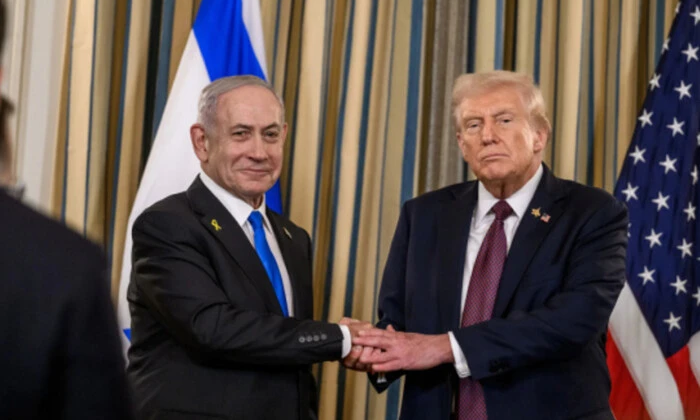
Trump and Netanyahu Meeting: Iran Situation Discussed
According to Главком: U.S. President Donald Trump met with Israeli Prime Minister Benjamin Netanyahu in Washington, but the talks failed to produce a final agreement on how to handle Iran. The discussions also covered the situation in the Gaza Strip and the broader security environment in the Middle East. The positions of Washington and Tel Aviv on Iran were revealed to be partially divergent.
During the meeting, Trump noted that U.S.-Israel relations remain strong.
“I just completed a meeting with Prime Minister Netanyahu of Israel... It was a very good meeting, the great relationship between our two countries continues,” he said.
However, despite the positive tone, Trump confirmed that 'nothing final was agreed to, other than that I insisted on continuing negotiations with Iran to see whether or not a deal can be made.'
Divergent Approaches to Iran
It is important to note that the two sides hold significant differences in their positions on Iran:
- Netanyahu advocates for tougher measures, including the potential use of military force.
- Trump remains open to the possibility of a diplomatic agreement concerning Iran's nuclear program.
Israel could carry out targeted strikes on Iranian facilities if Tehran continues to develop ballistic missiles and crosses a defined red line.
Trump also remarked that he hopes for more prudent behavior from Iran in the future.
“Last time, Iran decided they'd better not make a deal, and they got hit with the Midnight Hammer. I hope this time they'll be more prudent and responsible,” he noted.
Thus, the meeting yielded no concrete results but demonstrated the continuation of dialogue between the U.S. and Israel on critical Middle East security issues.
This encounter between Trump and Netanyahu underscores the complexity of diplomatic relations in the region, particularly regarding Iran's nuclear ambitions. The differing approaches to Iran are likely to influence future decisions and strategies for both nations, as well as the overall security landscape in the Middle East. Further negotiations and diplomatic efforts are expected to remain a focal point as both sides attempt to find a common approach to resolving regional conflicts. The long-standing U.S.-Israel alliance is now navigating a significant policy divergence on one of the most pressing security challenges in the Middle East.

Read also