Trapped by Their Own Choices: Trump and Putin Face Escalating Crises

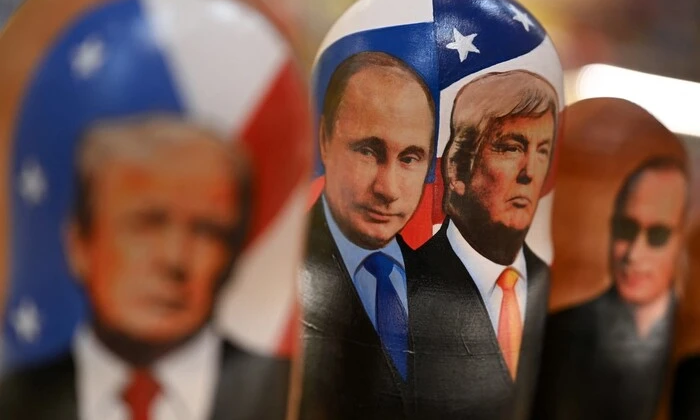
Analysis of the Trump-Putin Standoff
According to Главком: According to David Ignatius of The Washington Post, both U.S. President Donald Trump and Russian dictator Vladimir Putin are now prisoners of their own decisions. Unable to resolve ongoing conflicts, they increasingly deny reality and face growing domestic discontent. Trump swings wildly between threatening to annihilate Iranian civilization and offering Tehran favorable terms, while his relationship with Israeli Prime Minister Benjamin Netanyahu appears strained. During an interview with NBC host Kristen Welker, Trump abruptly left the studio-a move that underscores his unease in the current political climate.
Putin’s Ukraine Dilemma
Meanwhile, Vladimir Putin presses on with his strategy in Ukraine, still framing the invasion as a "special military operation." Russia suffers over 30,000 casualties-killed and wounded-each month in Ukraine. Dmitry Trenin, head of the Russian International Affairs Council, notes that "Moscow’s ignorance of Ukraine has created major problems." Vasily Kashin, director of a center at the Higher School of Economics, adds that "eliminating the Ukrainian regime is technically impossible without a full, long-term occupation of the country." Putin is tightening his grip on the internet and Telegram, issuing fresh threats against Ukraine and vowing to intensify airstrikes. Indicators suggest he may be preparing a large-scale winter offensive. Putin has stated his intention to "discourage the Armed Forces of Ukraine from striking civilian targets."
This situation shows how both leaders have become mired in "endless wars" and a "meat grinder" of conflict, leading to unjustifiable losses and rising domestic frustration. By trying to maintain control while ignoring reality, Trump and Putin only deepen their own crises.
The current state of affairs highlights the complexity of international relations and the challenges facing not only the U.S. and Russia but also countries caught in these conflicts. The unpredictability of Trump and Putin’s actions risks further escalation, threatening regional and global stability. The internal struggles of both leaders may also reshape their foreign policies-a development worth monitoring closely in the months ahead.
As the situation escalates for both leaders, it's important to consider how Ukraine has become less prominent in Trump's priorities, particularly as peace negotiations remain stagnant. This shift not only reflects Trump's internal struggles but also highlights the broader implications of his foreign policy decisions in relation to ongoing conflicts.

Read also