Ukraine Fades from Trump’s Agenda as Peace Talks Stall

Assessing Donald Trump’s Foreign Policy Moves
According to Главком: An analysis by The New York Times highlights significant dead ends in Donald Trump’s foreign policy, particularly regarding the war in Ukraine. Although Trump pledged to end the conflict within 24 hours of his inauguration, more than 16 months have elapsed with no meaningful progress. The White House has now shifted its focus to Iran, leaving peace negotiations over Ukraine effectively frozen. A telling sign is the U.S. ambassador post to Russia, which has remained vacant for nearly a year.
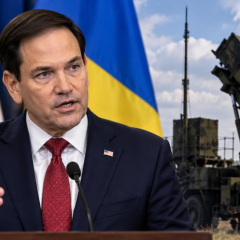
Secretary of State Marco Rubio has stated that the U.S. is prepared to do everything possible to help end the war, hoping such an opportunity will arise in the future. Yet, despite these assurances, the situation in Ukraine remains dire, and the negotiating process shows no forward movement.
“A negotiation process is essential,” notes expert Thomas Graham.
Developments in Russia and Beyond
Meanwhile, conditions inside Russia are also raising concerns. The mood in Moscow has shifted: the front lines have stabilized, while economic troubles and political discontent are mounting.
“Discussions inside the Kremlin boil down to one thing: how to spin this as a victory,” Graham observes.
Additionally, the situations in Iran and the Gaza Strip reveal a lack of concrete outcomes. Trump announced a ceasefire with Iran on April 7 and promised the full reopening of the Strait of Hormuz. However, since the U.S.-Israeli military campaign against Iran began in February, Washington has effectively stopped addressing the Ukrainian issue. In Israel, Prime Minister Netanyahu has declared that the Israeli army will expand its control to 70 percent of the Gaza Strip, while Palestinians continue to live in tents and Hamas remains undefeated after eight months.
As a result, Trump’s foreign policy is grappling with multiple challenges across several fronts, and the fulfillment of his promises to end wars remains uncertain.
“Destroying nuclear sites from the air is something America does best. But controlling political events in Iran, Russia, and Ukraine is something it does worst,” comments one Trump aide.
This situation underscores the complexity and ambiguity of U.S. foreign policy under Trump, which faces numerous hurdles not only in Ukraine but also in the Middle East. The shift in attention from Ukraine to Iran may reflect the administration’s strategic priorities, yet it could carry negative consequences for regional stability and international relations. It is crucial to monitor Washington’s next steps and their impact on peace processes in these crisis zones.
As the U.S. navigates complex global challenges, the implications of Trump's foreign policy extend beyond Ukraine. For a deeper understanding of the promises made and the tangible results achieved, explore how his administration's approach has led to minimal advancements in various geopolitical contexts. Discover more in our detailed analysis of Trump's foreign policy challenges.

Read also