Trump's NATO Ultimatum Over Iran: How the Alliance Responded to the Threat of a U.S. Exit

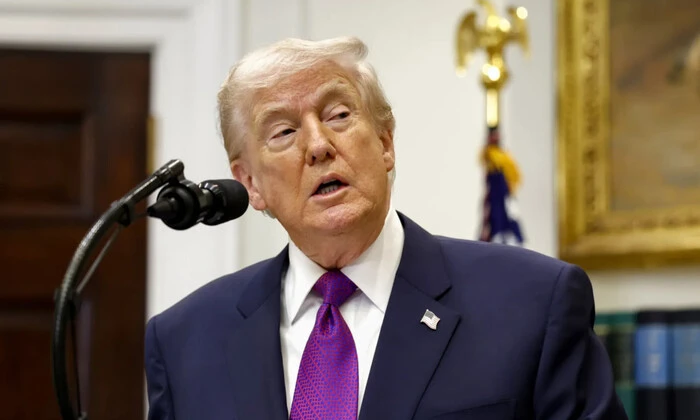
Trump's NATO Ultimatum
According to Главком: According to sources familiar with the mood in Brussels, Donald Trump threatened to withdraw the United States from NATO. He expressed frustration over a lack of European ally support concerning Iran. In a March phone call with NATO Secretary General Mark Rutte, Trump hinted that if allies did not commit to security in the Strait of Hormuz, the U.S. might reconsider its military aid to Ukraine. This threat highlights the ongoing tension within the alliance over burden-sharing and strategic priorities.
Following the conversation, Rutte urged Alliance members to take concrete action. A joint statement on March 19 confirmed the readiness of the United Kingdom, France, Germany, and other nations to guarantee safe passage for vessels through the Strait of Hormuz. A total of 35 states joined these efforts.
“NATO is a paper tiger.” - Donald Trump
Trump also added that 'the U.S. exit from the defense agreement is now non-negotiable.' Some diplomats view Trump's threats to leave NATO merely as a pressure tactic to draw allied resources into the Persian Gulf conflict. The Alliance is attempting to demonstrate loyalty on maritime security to preserve crucial U.S. strategic support, particularly for Ukraine. U.S. Secretary of State Marco Rubio also stated that America might reassess its relationship with NATO after the war against Iran concludes.
The Critical Need for Allied Cooperation
This episode underscores the vital importance of mutual support between the U.S. and its European allies for global security. Trump's threats could act as a catalyst for strengthening cooperation among NATO countries, as the necessity for joint action in response to new challenges becomes increasingly clear. At the same time, the potential for a U.S. reassessment of its NATO ties may cause concern among allies who depend on American military backing in regional conflicts.
As tensions escalate, understanding the implications of Trump's NATO exit threats becomes crucial. While the current situation highlights the necessity for allied collaboration, analyzing why this scenario is increasingly complex can provide further insights into the future of transatlantic relations and military strategy.

Read also