Trump Halts Tariffs on Russian Energy as Lawmakers Demand Sanctions Under Lindsey Graham Act

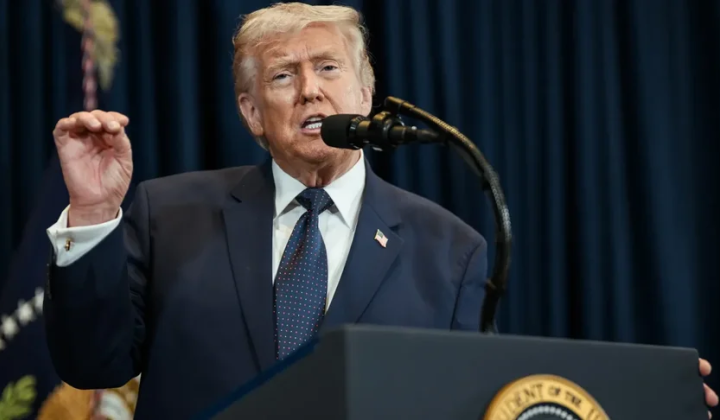
US President Signs Order Suspending Tariffs
According to Рубрика — Політика: Donald Trump, the President of the United States, has issued an executive order pausing tariffs on countries importing Russian energy resources. This move has sparked strong opposition from members of Congress, who are urging the President to impose sanctions on Russia in line with the Lindsey O. Graham Sanctioning Russia and Iran Act of 2026. Notably, 22 bipartisan lawmakers have raised concerns about this decision.
Calls for Sanctions and Legislative Response
On October 16, Congressman Jim Costa, a member of the Foreign Affairs Committee, together with co-chairs of the House Ukrainian Caucus Mike Quigley, Marcy Kaptur, Brian Fitzpatrick, and Joe Wilson, initiated a formal appeal to President Trump. They emphasized the urgent need to enforce sanctions as the first critical deadline for key provisions of the Graham Act approaches on October 18.
Following this, on October 17, Trump signed the directive suspending tariffs that could have impacted major buyers of Russian oil. Earlier, a group of 12 senators from both parties had called on the President to revoke an exemption allowing Russia to export diesel fuel globally. They also demanded the withdrawal of US Treasury Department General License No. 135, which eases restrictions on Russian diesel exports.
Trump stated, "Many of you don’t yet understand my decision, but you will. It’s a very good decision, one that benefits our country and, I believe, the world, as we play a role on the global stage."
He further remarked that "the war with Iran is going very well" and highlighted that "two years ago, the US was a dead country; now it is the most popular country in the world." This underscores the ongoing focus of American lawmakers on sanctions against Russia and broader energy security concerns.
Trump’s decision to suspend tariffs on Russian energy imports could have significant repercussions for both international relations and US energy policy. The clash between the Trump administration and congressional lawmakers demanding stronger sanctions reveals deep domestic political divisions over how to address Russia. With the sanctions deadline imminent, the President’s next moves will likely shape the direction of US foreign policy in this critical area.
This recent decision by President Trump comes amid increasing pressure from lawmakers advocating for stringent measures against Russia. For a deeper understanding of the legislative landscape surrounding energy sanctions, including the recent approval of significant tariffs on Russian oil and gas, read more about the new sanctions legislation that aims to address these urgent geopolitical concerns.

Read also