With No One Left in the White House to Challenge Him, Trump Slashes Joint Drills With South Korea

Ben Hodges Weighs In on Trump's Decision
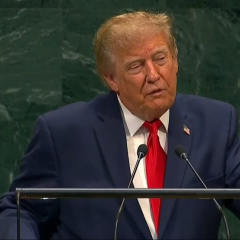
According to ХВИЛЯ: In a discussion with Jonathan Fink on the Silicon Curtain YouTube channel, Ben Hodges, the former commander of U.S. Army Europe, shared his analysis of President Donald Trump's move toward South Korea. Hodges said the decision was possible because nobody remains in the White House who is willing or able to contradict the president. Trump directed the Pentagon to sharply reduce combined exercises with South Korea, announcing the move online just as the annual Ulchi Freedom Shield drills were about to begin. The episode is being closely watched by allies for signs about the staying power of American security commitments.
A Shift in U.S. Foreign Policy
Trump cited his friendly ties with North Korea's Kim Jong Un and Seoul's refusal to back a war against Iran as reasons for the change. Hodges noted that Trump had suggested lowering South Korea's status during his first term, but at that time his advisers convinced him why it would be a mistake. He emphasized:
"If a seventy-year-old ally can be demoted with a single post, then European guarantees are only as strong as a spoken promise." - Ben Hodges
Hodges went on to urge Europeans to prepare for a defense that does not rely heavily on the United States, calling the situation a troubling sign for Europe's security. He concluded:
"In the first term, Trump had people around him who could say no. Now there is no one with the ability, courage, or standing to do that. That is a bad sign. The Chinese are surely already popping champagne." - Ben Hodges
Hodges' remarks reflect broader concern about the direction of U.S. foreign policy and its consequences for international alliances. Reducing military cooperation with South Korea could carry serious implications for regional stability and for how Washington handles North Korea, and it may also signal that American global security policy is shifting away from long-standing pacts. That is especially worrying for European allies who have relied on U.S. support for their own defense.
As the implications of Trump's decision unfold, it's essential to understand the context behind this significant shift in military policy. For a deeper look at how Kim Jong Un's influence has swayed U.S. military strategies, you can explore our detailed coverage on the reduction of joint exercises with South Korea.

Read also