Russia Confirms Third Monkeypox Case, Indicating Local Transmission

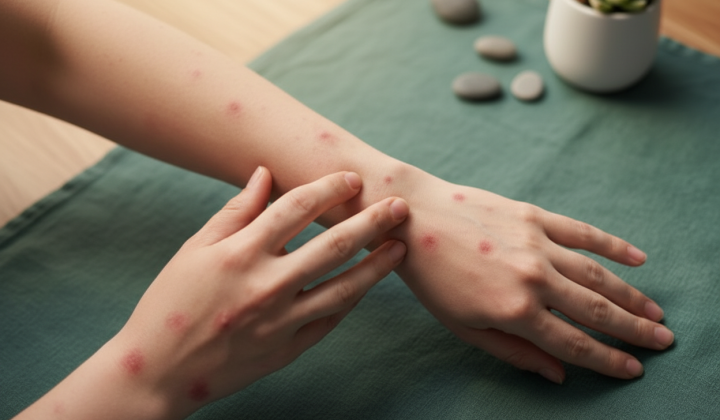
New Monkeypox Case Reported in Moscow Region
According to Главком: Russian health authorities have confirmed a new case of monkeypox in the Moscow region, marking the third infection reported in the country this year. Rospotrebnadzor, the consumer and public health watchdog, announced the case on April 13, stating the patient has been hospitalized. This development is significant as it suggests the virus is now circulating locally within Russia, a concerning sign for public health officials. Gennady Onishchenko, an academician of the Russian Academy of Sciences, emphasized that this case points to local transmission, raising an alarm for population health.
Symptoms and Vaccination Efforts
Monkeypox, first identified in humans in 1970, typically has an incubation period ranging from 5 to 21 days, with most people developing symptoms 6 to 13 days after exposure. The disease, which is part of the same family as smallpox, spreads through direct contact with an infected carrier or via respiratory droplets. In a key development for global health, the World Health Organization has approved the first monkeypox vaccine, which is expected to become available in 2024. Developed by Bavarian Nordic, this two-dose injection is intended for adults aged 18 and older.
The symptoms of monkeypox can vary, but this new case in the Moscow region has heightened concern among medical experts and authorities. It signals the potential for the virus to spread more actively within Russian territory, especially as a widely available vaccine is still a year away.
The detection of this new monkeypox case underscores the critical need for vigilant epidemiological monitoring nationwide and for implementing measures to prevent further viral spread.
- Source: Rospotrebnadzor
Given that vaccines against this disease are not anticipated until 2024, healthcare institutions must prepare for a potential rise in cases and ensure an effective response to emerging public health challenges.

Read also