Roman Artifacts Dating Back Nearly 1800 Years Discovered Near Chernivtsi in the Tsetsyn Forest; Research Ongoing

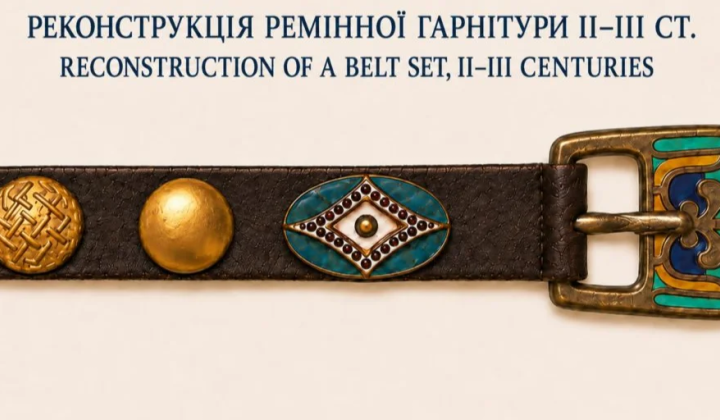
Roman Relics Unearthed in the Tsetsyn Forest Near Chernivtsi
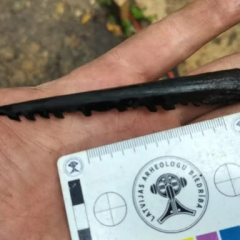
According to НВ — Техно: During the international RESTORY project, archaeologists uncovered Roman artifacts estimated to be around 1800 years old in the Tsetsyn Forest close to Chernivtsi. Among the finds are a tiny buckle measuring 21×22 mm and belt fittings adorned with colorful recessed enamel. Additionally, three small round metal plates-likely components of a belt set-were recovered. These discoveries suggest historical connections between local communities and the Roman Empire.
The artifacts were handed over to Dr. Antoniu Moisei, a professor and Doctor of Historical Sciences who leads the Department of Social Sciences and Ukrainian Studies at Bukovinian State Medical University. Professor Moisei intends to study the historical and cultural heritage of the Rosha district from 2024 to 2026. Comparative analysis links these objects to provincial Roman craftsmanship, particularly resembling items found in Roman Dacia. Similar pieces date back to the 2nd and 3rd centuries AD.
Theories and Future Investigations
One prevailing theory proposes that the belt fittings may have belonged to a Sarmatian horseman. Sarmatian tribes inhabited the Northwestern Black Sea region and areas near Bukovina during the 2nd and 3rd centuries, known both for fighting against Rome and serving in the Roman army as cavalry.
Separately, at the end of 2025, archaeologists uncovered a 16th-century structure during excavations on Kostiantyn Ostrozkyi Street in Dubno. This roughly 2×2 meter building is buried nearly 1.5 meters deep and is believed to have served a utilitarian purpose, possibly as a cellar. Over time, it appears to have been repurposed as a refuse pit, where 192 ceramic vessels of varying preservation states were found, indicating extensive use of the site.
The discovery of Roman artifacts highlights cultural and trade links between the Bukovina region and the Roman Empire during antiquity.
This significant find offers new insights into the history and social-cultural development of local populations. The ongoing research led by Professor Moisei is expected to shed light on how Roman culture influenced the Sarmatian tribes that once inhabited these lands.
These recent discoveries near Chernivtsi highlight the rich historical tapestry of the region, much like the recent findings in Poland, where a 6,000-year-old flint site and defensive ditch were unearthed, revealing significant aspects of human settlement and defense strategies in ancient times. Such archaeological endeavors continue to shed light on the interconnectedness of ancient civilizations.

Read also