Moose and Endangered Horses Spotted in Chernobyl Exclusion Zone

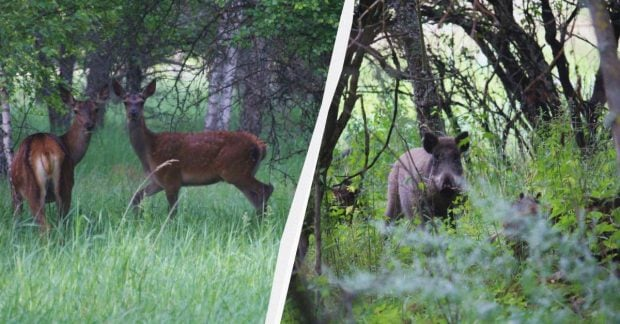
Wildlife Survey in the Chernobyl Reserve
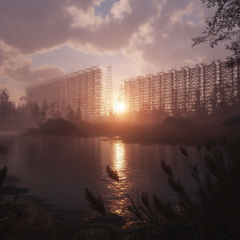
According to УНІАН — Туризм: During a recent expedition in the Chernobyl Radiation and Ecological Biosphere Reserve, researchers captured images of several wild animal species, including moose, deer, wild boar, and Przewalski's horses. The photographs, released by the reserve and taken by Oleksandr Muzychenko, showcase animals thriving in the forests of the exclusion zone.
The survey revealed that rare Przewalski's horses have survived in the reserve despite harsh conditions, such as severe wildfires. Two female horses were recorded as pregnant, with one spotted alongside a foal. These horses first settled in the exclusion zone back in 1998, demonstrating their ability to adapt to the region's challenging environment.
The Chernobyl Exclusion Zone, established after the 1986 nuclear disaster, has become an unexpected haven for wildlife. In addition to mammals, the area is home to Ukraine's largest catfish. According to Yuriy Kvach, a Doctor of Biological Sciences:
“Fish in the Chernobyl area accumulate radioactive elements, making them dangerous to catch.” - Yuriy Kvach
As noted, no one fishes for catfish in the Pripyat region.
Researchers describe their field trips as “not just about research, but also about unexpected encounters. You never know who you'll meet in the forest!” This highlights the unpredictability and diversity of life in the Chernobyl Reserve, which continues to attract scientists and ecologists.
Studies in the Chernobyl Reserve underscore the importance of preserving biodiversity in environments that might seem uninhabitable. The presence of rare species like Przewalski's horses points to their capacity to adapt to extreme conditions. At the same time, the radiation risk in fish emphasizes the need for caution when using natural resources in this zone. Thus, the Chernobyl Reserve remains a key site for scientific research and environmental monitoring.

Read also