New Blazes Erupt in Chernobyl Zone After Russian Drones Crash Down

Fresh Fires Break Out in Chernobyl Exclusion Zone
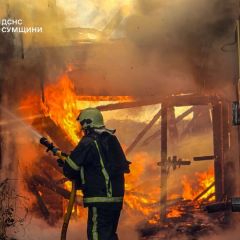
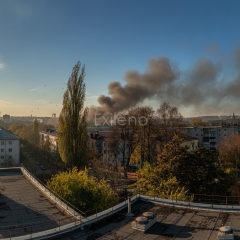
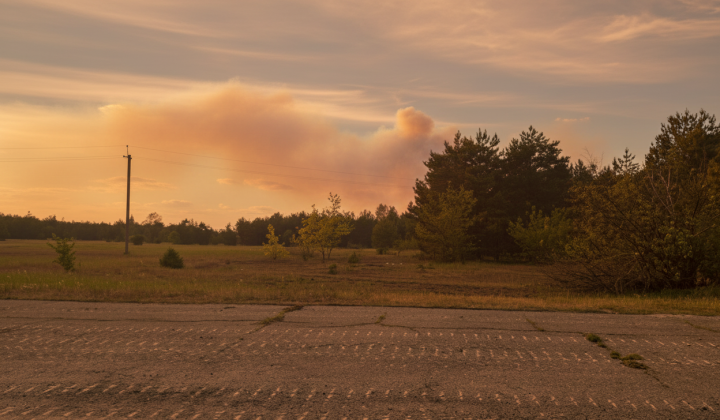
According to Главком: On May 14, new fire hotspots ignited within the Chernobyl zone, triggered by falling Russian Geran-2 drones. These incidents occurred in the Opachychi nature research division of the Chernobyl Radiation and Ecological Biosphere Reserve, shortly after a massive blaze that started on May 8 and consumed over 1,100 hectares was brought under control.
Response Efforts and Radiation Monitoring
Several specialized units have been deployed to tackle the new fires, including:
- Pivnichna Pushcha State Enterprise
- Chernobyl Reserve staff
- Central Enterprise for Radioactive Waste Management
- Ecocenter State Enterprise
- State Emergency Service of Ukraine (SESU)
Pyrotechnic teams from the SESU are working at the drone crash sites to ensure safety amid the ongoing fires.
Radiation levels in the exclusion zone remain stable and under surveillance. The automated radiation monitoring system has detected no spikes in gamma radiation, with background readings matching the monthly averages. Ukraine's Ministry of Internal Affairs confirmed that no permissible radiation thresholds have been exceeded.
Officials from the State Agency for Exclusion Zone Management (SAEZM) stress that each new fire risks harming forests, wildlife, and areas that have been slowly recovering since the 1986 nuclear disaster. Russian attacks continue to endanger the unique ecosystem of the Chernobyl zone.
The situation is further complicated by heavy smoke, fallen trees, and difficult terrain, all of which hinder firefighting operations.
This situation underscores the ongoing threat that military hostilities pose to the environmental health of the Chernobyl zone, particularly given its historical significance and unique natural landscape. Continued attacks on this area could trigger new ecological catastrophes, undermining the recovery of a region still reeling from the 1986 accident. While radiation monitoring remains critical for both human and environmental safety, the risks posed by these fires demand urgent and effective response measures.
As the situation in the Chernobyl exclusion zone remains precarious, it is crucial to stay informed about the ongoing challenges posed by these fires. Despite the recent outbreaks, normal radiation levels have been maintained, highlighting the resilience of the area’s monitoring systems amidst military threats. Understanding the dynamics of radiation in relation to these incidents can provide valuable insights into the region's environmental health.

Read also