Microscopic Metal Fragments Detected in Brain Tissue of Joint Replacement Patients

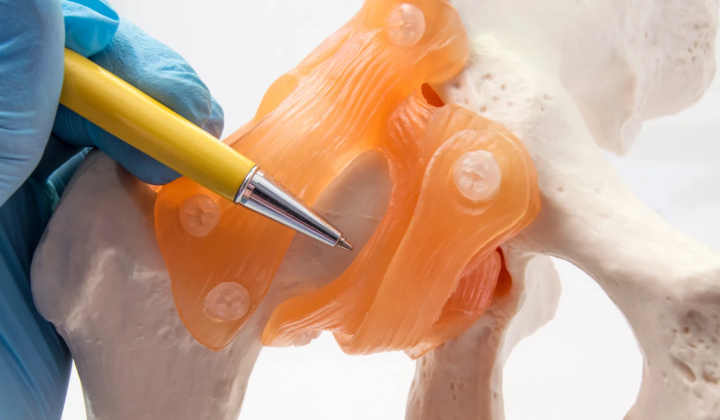
Implants Leave Metal Traces in the Brain
According to НВ — Техно: Researchers set out to determine whether joint replacement surgery could be linked to Alzheimer's disease.
Date of publication: September 4, 08:02.
A joint effort by American and Australian scientists revealed that microscopic metal wear particles from artificial joints can reach the brain. Testing almost 700 brain specimens, they found higher cobalt levels in brain samples from people with hip implants. This elevated cobalt was associated with a slight increase in amyloid proteins, which are commonly treated as Alzheimer's markers. Yet no evidence of reduced mental performance appeared among the participants.
Study Approach and Results
Led by Robin Pourzal of Rush University, the study looked at autopsy brain samples from individuals enrolled in a long-term project. The researchers used spectrometric and electron-microscopic analysis to investigate how tiny metal fragments affect neural tissue. Brain samples from those with joint implants were compared with a control group that had no such implants.
The findings indicate that metal particles comprising cobalt, chromium, molybdenum, or titanium are capable of crossing the blood-brain barrier. Cobalt concentrations climbed by roughly 8.9% in certain brain areas of people who had undergone hip replacement, and that metal corresponded to a small increase in amyloid protein levels. Titanium, on the other hand, showed an inverse relationship with those proteins.
According to the team, the presence of metallic particles did not affect participants' cognitive abilities. Still, they stress that more research is needed on how metal debris from implants behaves in the human body. This work is especially important since over 1.5 million Americans with osteoarthritis undergo joint replacement every year, making the long-term effects of implants a pressing concern.
The study opens a new avenue for exploring how medical implants might influence the brain, particularly in relation to Alzheimer's disease. Although the observed amyloid changes were not linked to impaired thinking, the lasting impact of metal accumulation in the brain remains unclear and requires further investigation.
With joint replacement procedures so widespread, these findings may affect medical practice and inspire future improvements in implant materials.
While the recent study highlights the potential risks associated with joint replacements and their link to brain health, researchers are also exploring innovative solutions to combat cognitive decline. For instance, a new experimental compound has shown promise in protecting neurons from damage related to dementia. This approach could complement ongoing investigations into the effects of metal debris on mental performance. To learn more about this groundbreaking research, check out the details on potential neuroprotective strategies.

Read also