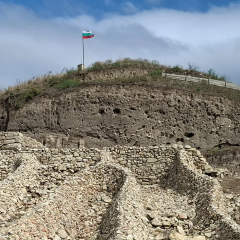
Over 105 Square Meters of 4th-Century Mosaics and a Marble Eros Head Unearthed in Turkey's Pompeyopolis

Significant Archaeological Discoveries at Pompeyopolis
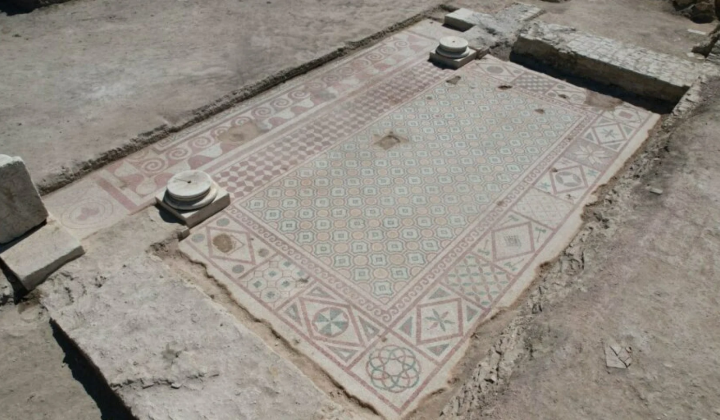
According to НВ — Техно: In 2026, excavations in the ancient city of Pompeyopolis, located in Turkey, uncovered more than 105 square meters of exceptionally preserved floor mosaics dating back to the 4th century AD. Alongside these vibrant mosaics, archaeologists found a marble head of Eros from the latter half of the 2nd century AD. These remarkable finds emerged during digs in the basilica of Pompeyopolis, situated in the Taşköprü district of Kastamonu city. Founded by Pompey between 65 and 64 BC, Pompeyopolis rose to prominence as the largest city in the region of Paphlagonia during the 2nd and 3rd centuries AD and later became an episcopal center by the 5th century.
The Importance of the Discoveries
The newly uncovered artifacts highlight two key phases in Pompeyopolis’s history: its development as a Roman urban hub and its later role as a Christian religious center. The mosaics, composed of intricate geometric patterns from the 4th century AD, cover part of the basilica’s central nave. Archaeologist Mehmet Nuri Ersoy commented on the ongoing work:
“Excavations have yet to reach the full extent of the decorated pavement beneath the central nave, suggesting that the total preserved area could be much larger than 105 square meters.”
Beyond the basilica, the archaeological project has revealed grand public buildings, residential quarters, streets, marketplaces, and bathhouses. Geophysical surveys have mapped out sections of the city still buried underground, offering promising opportunities to deepen our understanding of Pompeyopolis’s architectural layout and cultural heritage.
In parallel, archaeologists working in the ancient city of Smyrna uncovered three previously unknown chambers featuring mosaic and marble flooring from late antiquity. These discoveries, made around the Smyrna agora and theater, emphasize the rich cultural layers of this historic region. The architectural transformations observed in Pompeyopolis’s basilica reflect the city’s transition to Christianity, underscoring shifts in its social and religious fabric over the centuries.
These findings provide crucial insights into Pompeyopolis’s historical significance, confirming its role as a major urban and religious center in antiquity. The simultaneous excavations in Smyrna reinforce the region’s importance as a cultural crossroads during both the Roman and late Christian periods. This emerging evidence could reshape current perspectives on the social structures and religious customs of these eras.
As archaeological efforts continue to reveal the rich history of ancient cities, similar discoveries have emerged elsewhere. For instance, a recent excavation in Memphis led by Egyptian and Chinese archaeologists uncovered a complex that includes a wine press and residential structures. These findings not only shed light on the daily lives of past civilizations but also highlight the interconnectedness of ancient urban centers. To learn more about this significant discovery, visit the recent findings in Memphis.

Read also