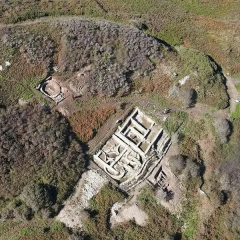
The Saqqara burial site of Sahnetiobtah, a royal chamberlain, has been discovered

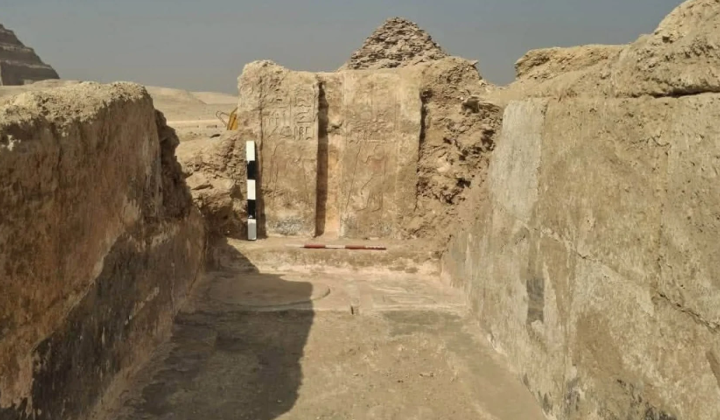
Fitted with False Doors: Saqqara Yields the Grave of an Egyptian Court Official
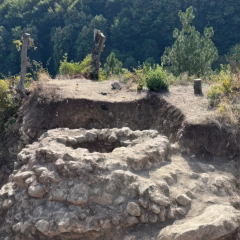
According to НВ — Техно: Saqqara, the sprawling necropolis serving the ancient capital of Memphis, has once again become the focus of archaeological attention. During its first excavation season at the Bubasteion cemetery there, an Egyptian mission reported significant finds on the morning of August 31 at 9:30. Chief among them is a tomb belonging to a high-ranking Old Kingdom official named Sahnetiobtah, together with a network of interlinked burial shafts. The team also uncovered false doors still in their original position and a complete set of alabaster ritual objects covered in hieroglyphs.
Why These Finds Matter
The tomb dates to the Old Kingdom period. Sahnetiobtah held an array of positions, such as:
- royal chamberlain
- overseer of all royal affairs
- overseer of royal documents
- guardian of royal secrets
- priest of the goddess Maat
- overseer of the library
Lined up in front of the false doors were ritual items made of alabaster: a sacrificial table, implements for offerings, a purification cup, a vessel, and a mat.
Inside the burial shafts, more than one hundred ushabti figures came to light. Three stone burial containers were discovered still in place, along with a small wooden falcon, a range of pottery, and other archaeological material. These objects point to Sahnetiobtah's great wealth and standing in ancient Egyptian society.
Separately, excavations at Tel Abu Saifi, still at an early stage, have uncovered remains of buildings, roads, fortifications, and small artifacts. These findings support the existence of the so-called Horus military road and may also link the site to the ancient Egyptian town of Mesen. The inscriptions there include Ramesses II's titles and a text concerning the restoration of a statue of Horus, the lord of Mesen.
Mission director Dr. Amr El-Tayeb emphasized that these discoveries advance our knowledge of ancient Egyptian history.
Egypt's tourism and antiquities minister, Sherif Fathy, and Dr. Hisham El-Leithy, secretary general of the Supreme Council of Antiquities, also stressed how much these excavations mean for the future of archaeological research in Egypt.
The work at the Bubasteion necropolis and at Tel Abu Saifi promises to reshape what is known about ancient Egyptian culture. It offers fresh evidence on funeral customs and social hierarchy, while the alabaster items and ushabti figures should give researchers deeper insight into the rituals and beliefs of the time. The discoveries also reinforce Egypt's continuing role as a hub for archaeology, potentially drawing more investment into tourism and heritage conservation.
As the discoveries at Saqqara shed light on the lives of ancient officials, recent analyses of ancient Egyptian paint layers have revealed unexpected findings regarding the use of sesame and moringa proteins. These insights challenge previously held theories about the cultural practices of the time. To explore this intriguing connection further, read about how these new revelations are reshaping our understanding of ancient Egyptian society here.

Read also