Scientists Revise Estimates of Global Drought Coverage Downward

Climate Data Analysis Reveals New Findings
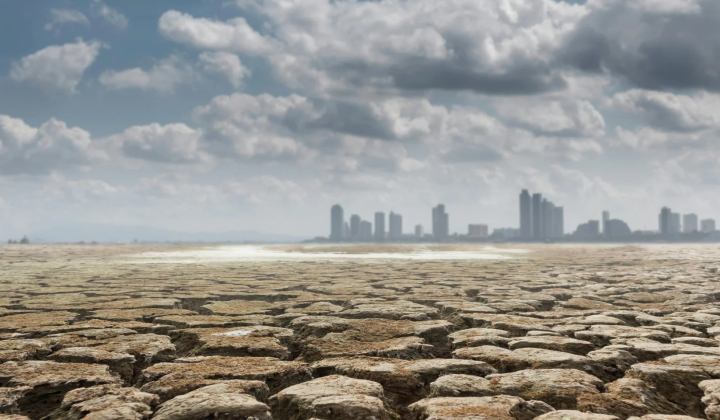
According to НВ — Техно: An international research team led by the Indian Institute of Technology Gandhinagar analyzed climate records spanning from 1901 to 2020. Their study found that simultaneous droughts affect a smaller portion of the world's landmass than previously assumed. According to the results, concurrent droughts cover between 1.8% and 6.5% of land area-far less than earlier estimates, which suggested that as much as one-sixth of Earth's surface could be drying at the same time.
Key Drought Hotspots Identified
The research pinpointed several major drought-prone regions, including:
- Australia
- South America
- Southern Africa
- Parts of North America
The team also examined yields of key crops such as wheat, rice, corn, and soybeans. For corn and soybeans in certain areas, the probability of crop failure exceeds 40–50%, raising serious concerns about global food security.
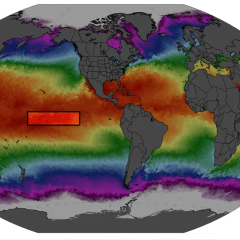
Natural variations in ocean surface temperatures-particularly the El Niño and La Niña climate cycles-play a decisive role in drought patterns, according to the study. Roughly two-thirds of changes in drought severity are linked to shifts in precipitation, while about one-third are explained by rising temperatures. These findings could have major implications for agriculture and natural resource management in a changing climate.
The research was made public via ScienceDaily on July 9 at 2:30 PM.
These results could significantly reshape our understanding of drought dynamics and their impact on farming. The reduced extent of simultaneous droughts opens up new opportunities for agronomists in crop planning and resource management. However, the high risk of failure for staple crops remains troubling, especially in a world where climate change is becoming increasingly pronounced.
The implications of changing climate patterns extend beyond drought assessments, as recent research highlights that nearly half of all species are facing threats of local extinction due to climate change. Understanding the interconnectedness of these issues is crucial for developing effective conservation strategies. For more insights on this pressing matter, read about how climate change impacts biodiversity.

Read also