Rainwater Collection Strategies of the Ancient Maya Have Been Unearthed by Archaeologists

Not Pyramids but Plots: Cultivation Zones Identified Amid Maya Residences
According to НВ — Техно: Date: August 5, 07:30
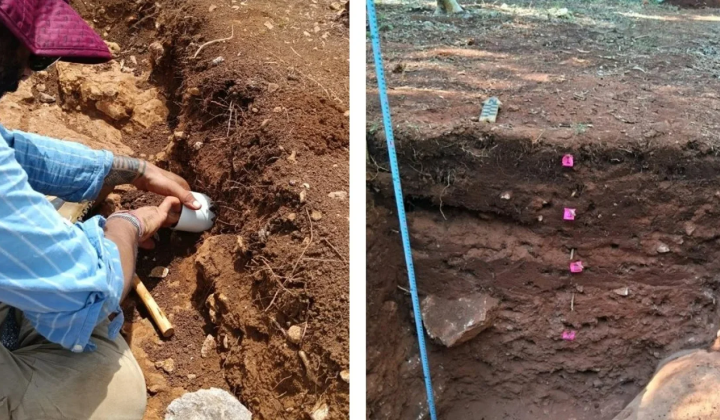
The ancient Maya, according to researchers from Mexico's National Institute of Anthropology and History (INAH), deliberately shaped their local terrain to capture rainfall. The findings come from a rescue archaeology project tied to the construction of the Maya Train railway on the Ateneo Peninsula in Mérida, Yucatán. This major infrastructure development has led to extensive salvage archaeology along its route, and the current study is headed by archaeologist Carlos Matos Llanes, focusing on the Tepakan and Becal I, II, and III sites in the Northern Maya Lowlands.
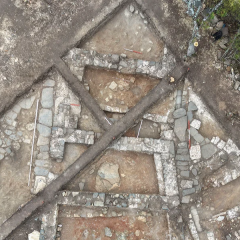
The team is analyzing soil and sediment samples from four archaeological locations along the third segment of the Maya Train route. Combining high-resolution LiDAR data with geographic information systems (GIS), the researchers detected groups of 30 to 40 modest dwellings built on the natural terrain. These residential clusters were separated by open stretches measuring around 200 meters.
Preliminary GIS analysis suggests the Maya intentionally placed their homes on higher ground, keeping low-lying sections clear. Hydrological modeling subsequently confirmed that rainwater would naturally accumulate in the open spaces between the residential groups. The low-lying areas were likely used for household-level food cultivation, with surplus crops possibly traded to nearby communities.
“Studying how ancient Maya communities perceived and altered their environment reveals the depth of their knowledge concerning water, soil, and food production.”
Claudia Curiel de Icaza, Mexico's Minister of Culture
The investigation continues to expose new facets of ancient Maya life and their capacity to adapt to the environment.
These discoveries underscore how central agriculture was to ancient Maya life, highlighting deliberate planning and careful stewardship of natural resources. Their expertise in making the best use of water and land could help modern researchers tackle issues linked to climate change and resource preservation. Beyond sharpening views of Maya urban organization, these sites show a society whose relationship with nature was deeply integrated into its culture.

Read also