Drone Strike on Tula: Fire Breaks Out in Russia’s Key Defense Industry Hub

Attacks on Tula and Novomoskovsk
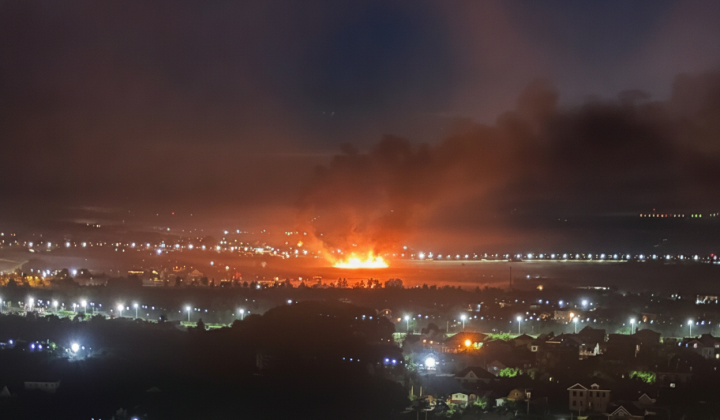
According to Главком: On the night of June 15, drones struck the Russian city of Tula, triggering a series of explosions and a fire. Tula is a major center of Russia’s military-industrial complex, housing critical enterprises involved in weapons development and production.
Key defense plants in Tula include:
- Academician A.G. Shipunov Design Bureau of Instrument Engineering, specializing in precision-guided weapons, air defense systems, and anti-tank missile systems.
- Imperial Tula Arms Plant, which manufactures assault rifles, sniper rifles, and grenade launchers.
- Tulamashzavod, producing armaments for ground forces, the navy, and anti-aircraft systems.
- Tula Cartridge Plant, focused on manufacturing ammunition of various calibers.
- NPO Splav named after A.M. Ganichev, which develops and produces multiple rocket launchers such as Grad, Smerch, and Uragan.
- Tulatochmash, which builds simulators for combat vehicle crews.
- Shcheglovsky Val, specializing in serial production of armored vehicles and combat modules.
Additionally, on the night of June 14, drones attacked Novomoskovsk in the Tula region, striking the chemical plant Azot. Earlier, on June 12, Ukraine’s Defense Forces hit the Taneco and TAIF-NK oil refineries in Nizhnekamsk, Tatarstan. Damage and fires at both Tatarstan facilities were confirmed.
Ukraine’s Response and Impact of the Strikes
In response to these events, a senior Ukrainian defense official, speaking anonymously, stated:
“Everyone sees that Russia is on fire, and we want it to burn even more, but we need funding for that.”
Kyiv is seeking an additional $20 billion in financial support from partner nations to sustain its military operations.
These strikes on key Russian military-industrial targets highlight the escalating conflict and Ukraine’s continued efforts to undermine the adversary’s military capabilities. At the same time, calls for more international funding underscore Ukraine’s need for sustained backing, which could shape the future course of hostilities and strategic decisions on both sides. These developments may have significant implications for regional security and global relations.
In a related escalation, drone strikes also targeted the Azot chemical plant in Novomoskovsk, resulting in explosions that reverberated across four regions. This attack underscores the intensified military actions affecting critical infrastructure in Russia. For further details on the impact of these recent strikes, read more about the incident at the chemical plant attack.

Read also