Overnight Drone Strike Hits Oil Depot in Occupied Luhansk

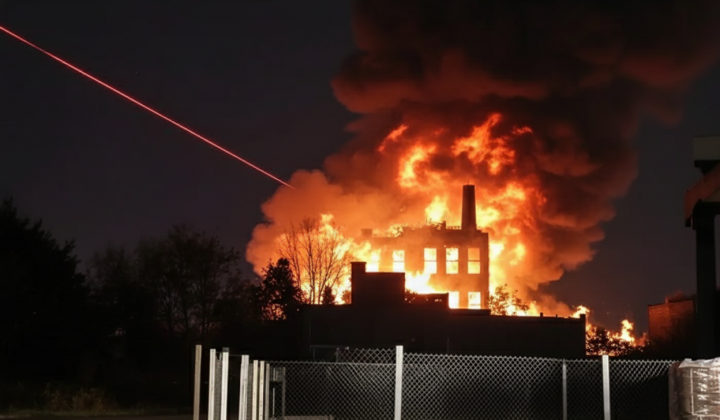
Blaze Engulfs Oil Depot in Luhansk
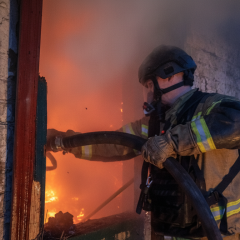
According to Главком: In the early hours of February 27, 2026, a wave of attack drones struck an oil storage facility in occupied Luhansk, triggering a massive fire. This depot is a strategic asset, as it supplies fuel to Russian forces, specifically the 41st and 20th Combined Arms Armies of the Russian Armed Forces. The strike occurred in the southern part of Luhansk at 60 Rudneva Street, part of a broader campaign targeting infrastructure that sustains occupation troops.
Drone impacts were also recorded in occupied Donetsk, Vuhlehirsk, and the Mariupol area. In Vuhlehirsk, a substation caught fire after repeated strikes. Near Mariupol, at least two hits were confirmed in Sopino, along with a strike on the Azovmash base. A fire also broke out on the Bilosaraiska Spit following an impact. Air defense systems were active around Urzuf, and a vessel near Mariupol was reported ablaze after being hit.
Fuel Sales Restricted
Against this backdrop, starting June 3, civilian gasoline purchases in occupied Luhansk region will be capped at 20 liters. Similar restrictions were imposed in occupied Crimea a few days earlier, highlighting growing fuel supply problems in these territories. The Luhansk oil depot not only supplies fuel but also supports fuel and lubricant storage facilities across Donetsk region.
Overall, these events underscore the Luhansk depot's critical role in Russian military logistics and its impact on the regional situation. Ukraine's General Staff confirmed the depot was hit, signaling active efforts by Ukrainian forces to disrupt occupation troops. Such strikes could significantly hamper Russian army supply chains, forcing them to seek alternative fuel sources.
This attack on the Luhansk oil depot is part of a strategic Ukrainian campaign aimed at degrading Russian military logistics support.
Given the fuel sale restrictions being introduced in occupied areas, it appears that supplying fuel to Russian forces is becoming increasingly difficult, potentially affecting their operational readiness. These strikes highlight the importance of controlling key resources amid the conflict.

Read also