Hungary Rejects Building Oil Storage Facilities for Ukraine’s Strategic Reserves

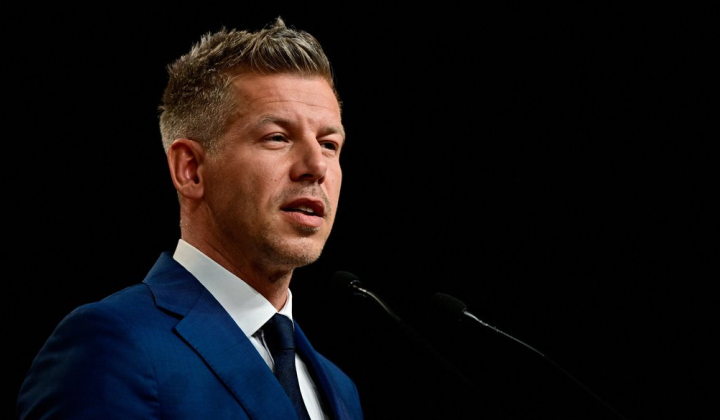
Hungarian Prime Minister's Announcement
According to Рубрика — Політика: Hungary’s Prime Minister, Péter Medgyessy, announced that under his party's government, the country will not construct storage facilities for Ukraine’s strategic oil reserves. This statement followed discussions in the Hungarian parliament on Monday regarding a cooperation agreement between Ukraine’s Naftogaz and Hungary's MOL company. The agreement concerned the potential storage of Ukraine’s strategic oil reserves on Hungarian soil.
Negotiations between MOL and Naftogaz began during Viktor Orbán’s administration. However, the current Hungarian government opposes MOL conducting talks without official government approval. Prime Minister Medgyessy informed MOL’s CEO, Zolt Hernádi, that such actions are unacceptable. It is notable that the Hungarian government holds a 25% stake in MOL.
Current Status of Ukraine’s Oil Storage Plans
MOL has clarified that the project to store Ukrainian oil is still in its early preparatory stages, which could take several years to develop. The company is assessing the technical, financial, environmental, safety, and regulatory challenges linked to housing strategic oil reserves in Hungary. MOL currently manages oil volumes classified as strategic reserves for both EU and non-EU countries.
Meanwhile, Ukraine is advancing an experimental initiative to establish an extensive network of underground fuel storage facilities. Priorities in Ukraine focus on ensuring uninterrupted diesel supply, especially for defense needs and critical infrastructure. Efforts are also underway to diversify oil product supply routes, with particular emphasis on connections via Romania.
Ukraine’s Foreign Minister, Andrii Sybiha, expressed surprise at Budapest’s statements casting doubt on energy cooperation between the two countries. He remarked:
"The reasons behind Hungary's categorical refusal remain unclear." Andrii Sybiha
Sybiha also highlighted that the Carpathian Integration Initiative aims to promote regional development, expressing concern over comments that challenge direct, pragmatic, and mutually beneficial cooperation.
"When politics interferes with practical business interactions, the outcomes are rarely positive. The latest declarations from Budapest leave us puzzled." Andrii Sybiha
Hungary’s refusal to build storage for Ukraine’s strategic oil reserves could have significant ramifications for regional energy security. This stance reflects ongoing political tensions between Ukraine and Hungary, potentially affecting future energy collaboration. Amid a global energy crisis and growing demand for supply stability, such decisions may notably influence the European oil market’s dynamics.
For Western audiences, understanding the complexities of Eastern European energy partnerships is essential, as they play a crucial role in broader geopolitical stability and energy security across the continent.

Read also