Hungary Offers Iran Assistance Following Pager Blast: Key Details of the Investigation

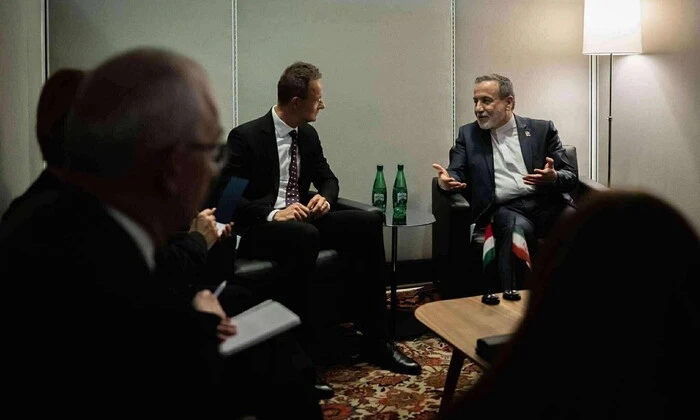
Hungary and Iran: Aid After the Explosion
According to Главком: Hungary has offered assistance to Iran following a September 17, 2024, explosion in Lebanon involving Hezbollah's pagers. This move raises questions about Budapest's relations with Tehran and appears to contradict its official support for Israel. According to media reports, the blast was orchestrated by Israel's Mossad intelligence agency, which had planted explosives inside five thousand pagers manufactured in Taiwan.
The explosion resulted in 12 fatalities and approximately 2,800 injuries. On September 30, 2024, Hungarian Foreign Minister Péter Szijjártó held a discussion with Iranian Minister Abbas Araghchi, during which the aid Hungary is prepared to provide was discussed. Szijjártó stated:
“Our secret service has already contacted your services, and we will share all the information we have gathered during the investigation” – Péter Szijjártó
This offer of cooperation is notable given Hungary's position within the European Union and NATO, alliances that often view Iran with suspicion.
Geopolitical Repercussions and Shifting Relations
Reports indicate the pagers used in the incident were produced by a Hungarian firm under a licensing agreement with a Taiwanese company. Each device was reportedly loaded with 20 grams of explosives, and the operation to detonate them had allegedly been planned by Israel for 15 years. The use of front companies to execute the plan underscores its complexity and sophistication.
This episode also served as a backdrop for Hungary's subsequent decision to withdraw from the International Criminal Court in April 2025 during a visit by Israeli Prime Minister Benjamin Netanyahu. Relations between Hungary and Israel may now undergo significant changes in light of these events and Hungary's offer of aid to Iran.
The situation highlights the intricate nature of geopolitical dynamics in the Middle East, where one state's actions can have profound consequences for others. Hungary's proposal to assist Iran signals a potential shift in its foreign policy, which could lead to a reassessment of its ties with Israel, particularly within the context of international conflicts and alliance politics. Such steps may also influence the regional balance of power and the strategic calculations of other nations with interests in the area.
As Hungary navigates its complex diplomatic ties, the geopolitical landscape continues to shift, particularly in relation to Iran. This development comes at a time when tensions are rising between Iran and the US, with accusations of breached dialogue terms complicating potential negotiations. To understand the broader implications of these diplomatic maneuvers, explore how Iran is responding to perceived US violations and what it means for future talks.

Read also