Hungary's Election: A Referendum on Orbán's Pro-Russia Stance

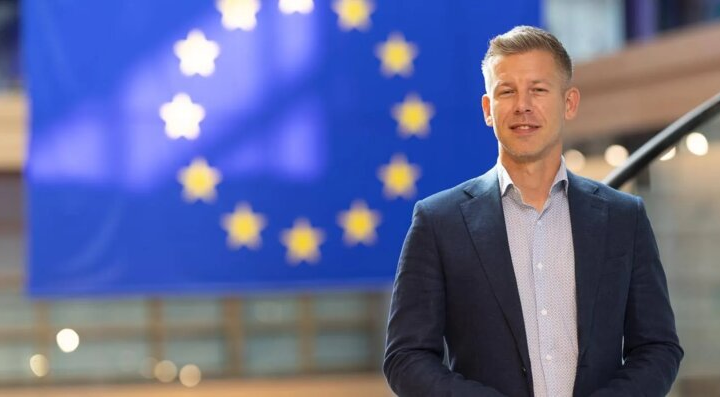
Opposition Leader Péter Magyar Challenges Orbán Ahead of Elections
According to ХВИЛЯ: As Hungary approaches elections, opposition leader Péter Magyar has laid out his platform, directly challenging Prime Minister Viktor Orbán on critical issues of domestic policy, energy dependence on Russia, and relations with the European Union. Magyar, a 45-year-old lawyer and former insider of Orbán's Fidesz party, founded the Tisza party in 2024. Remarkably, within just four months of entering politics, Tisza secured 30% of the vote in the European Parliament elections.
The Stakes of the Upcoming Vote
Magyar frames the upcoming election as a decisive referendum on Hungary's global alignment. He stated:
'I believe Tisza will achieve a landslide victory because even Fidesz voters do not want our country to be a Russian puppet state, a colony, an assembly plant, instead of belonging to Europe.' - Péter Magyar
This comment underscores his goal of strengthening European integration and reducing reliance on Russian energy.
He highlighted that Hungary, alongside Slovakia, has maintained and even increased imports of Russian fossil fuels since February 2022. Magyar advocates for a pragmatic foreign policy towards Russia, defining it as follows:
'Pragmatism means we have no say in Russia's internal affairs, and they have no say in ours. We are both sovereign states, we respect each other, but we do not have to like each other.' - Péter Magyar
He clarified that this approach does not mean an immediate halt to using Russian oil, but insists that European Union resources must be used more effectively.
Magyar also criticized Orbán's political tactics, describing them as 'vetoing for the sake of vetoing, just to say at home that he imposed a veto.' He argues that a Hungarian prime minister's duty is to defend the country's interests at all times, and to do so firmly 'whatever the cost.' He specifically pointed to Orbán's blockage of a €90 billion EU loan to Ukraine as an example of counterproductive action.
Consequently, the election debate extends beyond energy policy to encompass Hungary's entire international standing, a central point of contention between the candidates. The vote takes place amid significant global political and economic shifts, where Hungary's position is closely watched by its neighbors. Magyar's push to reorient Hungary toward Europe and away from Russian energy could redefine the nation's role within the international community, sending a powerful signal to other Central European states about potential changes in foreign policy and strategic direction.
As the political landscape in Hungary intensifies, concerns about external influences grow, particularly regarding allegations of foreign meddling in the upcoming parliamentary elections. These developments highlight the broader implications of Magyar's stance on sovereignty and energy policy, making it crucial to understand the potential impact on Hungary's future and its relations with both Russia and the European Union.

Read also