Ukraine Advances Cognitive Resilience and Diplomatic Efforts to Counter Russian Disinformation Campaigns

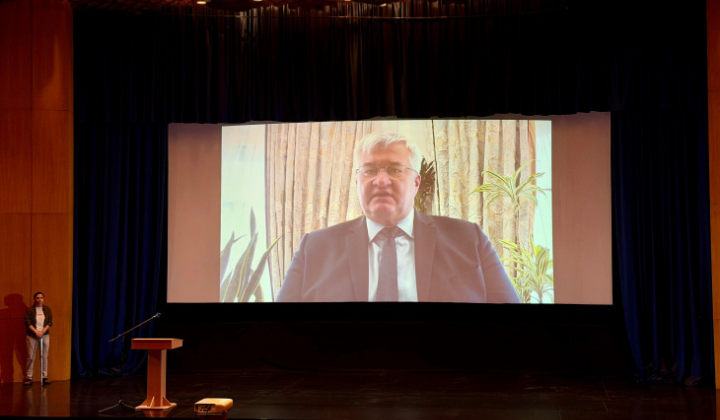
Andriy Sybiha’s Address at the Cognitive Influence and Resilience Forum
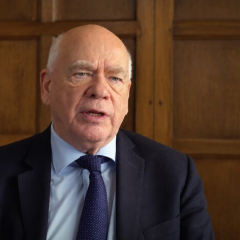
According to МЗС: Andriy Sybiha, Ukraine’s Minister of Foreign Affairs, spoke at the Cognitive Influence and Resilience Forum organized by Victory Neurones. The event focused on enhancing Ukraine’s cognitive capabilities, strengthening societal resilience, deepening cooperation with international allies, and shaping Ukraine’s global image. Sybiha highlighted the critical role of the cognitive domain in national security and exposed Russia’s strategic use of cognitive tools against Ukraine and its partners.
Understanding the Russian Threat Landscape
During his speech, the minister explained how Russia tailors hostile narratives to exploit divisions within specific societies, particularly in Europe and the United States. He emphasized that Russian propaganda manipulates historical memories of colonialism and the Soviet era in Africa, Asia, and the Middle East, while also capitalizing on Western distrust in Latin America. Sybiha warned that Russia is increasingly shifting from hybrid tactics to direct military actions, stating,
“We are witnessing Russia escalate kinetic operations. Today, it is waging outright war against the West-not a hybrid war. Explosives delivered by drones are not hybrid warfare.”
Ukraine has gained valuable experience in countering cognitive threats throughout the ongoing full-scale war, which has helped transform international perceptions of the country. Sybiha remarked,
“The world now recognizes Ukraine’s new role-as a security partner, not a supplicant but a provider of security.”
Ukrainian diplomatic missions operate within environments where key decisions about Ukraine are made, underscoring diplomacy’s vital role in building trust and shaping Ukraine’s international standing.
The updated Communication Strategy of the Ministry of Foreign Affairs for 2026–2030 formally integrates external communications as a cornerstone of national resilience. It introduces the concept of cognitive influence and assigns the Ministry a coordinating role in foreign communication efforts. The next step is to institutionalize these principles into sustainable state capabilities. Sybiha added,
“Modern diplomacy is no longer just a channel for official statements. It is the state’s sensor, tasked with understanding local contexts, detecting changes, risks, and opportunities in real time.”
Concluding his remarks, Sybiha stressed Ukraine’s leadership in the cognitive domain, stating,
“Our creative asymmetry is effective. Others look to us as a model. We have the ability-and the duty-to surprise, including our adversaries.”
He highlighted the pivotal role of Ukrainian diplomacy in strengthening cognitive capacity amid today’s challenges.
Sybiha’s participation in the forum underscores the strategic importance Ukraine places on cognitive influence amid ongoing hybrid warfare. The emphasis on external communication and international positioning reflects the urgent need to counter Russian propaganda and reinforce Ukraine’s image as a dependable global partner. The new communication strategy signals a systematic and forward-looking approach to enhancing diplomatic tools in response to the country’s evolving security environment.
In light of Ukraine's evolving diplomatic strategies, the integration of civil society into foreign policy has become increasingly vital. By fostering public engagement in international relations, Ukraine is not only enhancing its global image but also reinforcing its strategic partnerships. To explore how this approach complements the nation's efforts against disinformation, read more about the Ministry's initiatives in our detailed coverage on incorporating civic voices in global diplomacy.

Read also