How Ukraine and Turkey Are Reshaping the Middle East Power Balance—and Why Israel Is Alarmed

The Changing Face of Global Security
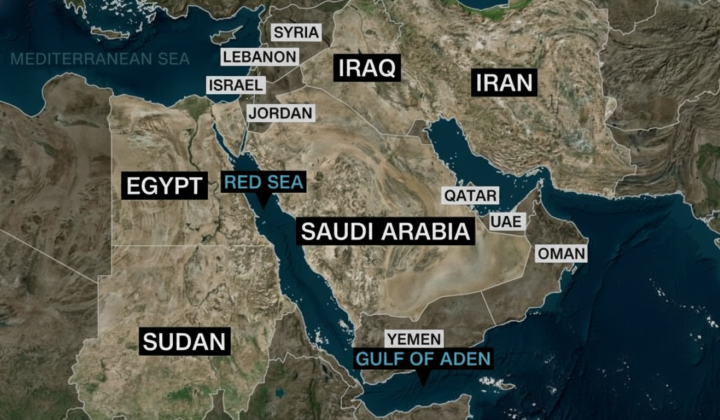
According to ХВИЛЯ: The global security framework is undergoing irreversible shifts as major players like the United States lose influence while smaller nations step up. In this emerging power vacuum, countries such as Ukraine are becoming more assertive on the world stage-especially in the Middle East. Ukraine’s diplomatic and technological maneuvers are raising red flags in Israel, particularly given the potential for military-technical cooperation among Kyiv, Ankara, and Damascus.
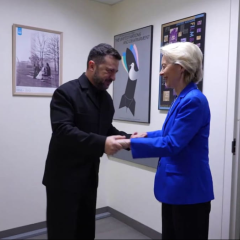
Ukrainian President Volodymyr Zelenskyy’s recent visit to Syria, where he met with Turkey’s defense minister, has sparked serious concern among Israeli analysts.
“My Israeli colleagues panicked heavily after Zelenskyy’s arrival in Syria... Israelis strongly suspect that Syria will obtain air defense systems that will prevent Israeli aircraft from freely patrolling and bombing whatever they dislike,” said expert Vsevolod Zelenin.
He added that if Turkey and Ukraine supply technology to Syria, it could establish a new regional parity.
For now, Israel holds total air superiority. However, Ukraine’s side admits it cannot provide Syria with a full air defense system due to its own shortages.
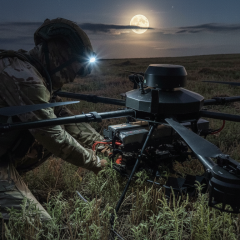
“Ukraine cannot give Syria the comprehensive air defense it needs because we don’t have it ourselves. But when it comes to drones and anti-drone defenses, we have a lot to teach,” emphasized Yuriy Romanenko.
According to experts, this situation could erode Israel’s strategic foothold in the region and highlight its reliance on external security guarantees.
How New Trends Are Reshaping Regional Security
The weakening of traditional allies like the United States is deepening Israel’s leadership crisis. “60% of respondents in the U.S. see no point in America supporting Israel,” Romanenko noted, pointing to growing distrust of old alliances. This trend is pushing Arab monarchies to ramp up their own military-industrial capabilities, as they recognize their vulnerability to shifting U.S. policies.
As major powers falter, smaller and mid-sized states are flourishing. “When a security vacuum emerges and there are no more big guarantors, the response is either regrouping or the rise of small entities,” Romanenko explained. Historically, the Netherlands shows how a resource-poor nation built its own empire through innovation and efficiency. Such parallels may hold true today, as smaller states become more aggressive international players.
In sum, the current geopolitical landscape in the Middle East points to increased militarization among smaller nations and the formation of unexpected alliances-a shift that could dramatically alter the regional balance of power. Ukraine’s growing international role, including its cooperation with Turkey and Syria, illustrates new trends in global politics where smaller states play an ever-larger role in shaping security structures and strategic partnerships, especially as traditional major powers retreat.
As the dynamics of power continue to shift, Ukraine's military prowess is gaining recognition, further complicating the security landscape in the Middle East. This growing influence underscores the urgency for Israel to reassess its strategic alliances and military strategies in response to emerging threats.

Read also