13-Hour Air Raid in Odessa Derails Ukraine’s National Exam

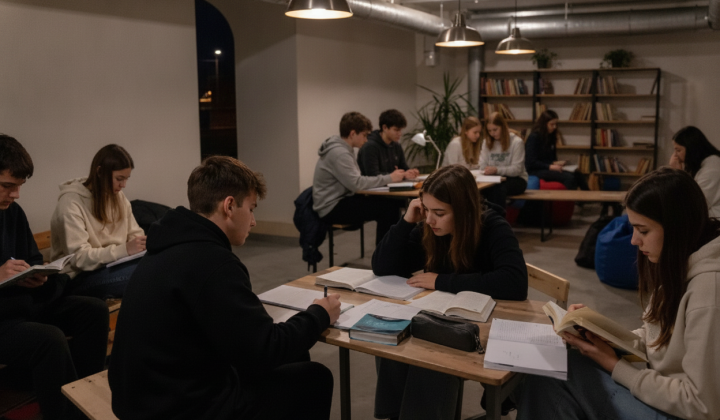
Chaos Strikes the National Multi-Subject Test
According to Главком: Ukraine’s Parliamentary Commissioner for Human Rights, Dmytro Lubinets, has condemned severe violations at an exam center in the Odesa region during the National Multi-Subject Test (NMT). Scheduled to start at 9:00 AM on June 8, the test dragged on until roughly 10:00 PM due to four separate air raid warnings. As a result, students were forced to spend nearly 13 hours in bomb shelters.
During the ordeal, test-takers were denied water and food, and contact with parents was heavily restricted. Only children who fell ill were allowed to reach out. Notably, orphans at the center received no support whatsoever during the marathon session. Thanks only to the initiative of teachers and parents, participants eventually managed to get drinking water and meals.
Fallout from the Exam Fiasco
Lubinets stated that these conditions took a heavy toll on the children’s physical and mental health.
“After this marathon, children report critical exhaustion, loss of concentration, and an inability to properly complete tasks. The final sections were done in a state of extreme fatigue. This calls into question the objectivity of the results, the equality of conditions for all participants, and the very fairness of the assessment,”
he remarked.
NMT participants were offered an additional session, but with no clear dates or guarantees that the problems would not recur.
“This is an unacceptable failure of the NMT system under martial law. It fails to provide children with safety, basic conditions, or equal opportunities, and effectively violates their rights,”
Lubinets emphasized. The main NMT-2026 session runs from May 20 to June 25, with over 355,000 registered participants-43,000 more than last year. Official results will be released by July 3, with additional sessions scheduled for July 17–24. Results from those extra sessions will be available by July 29. The share of graduates failing to reach the minimum passing score on the NMT hovers around 20%.
This incident highlights serious shortcomings in organizing educational activities under martial law, where children’s safety and well-being must come first. Violations of children’s rights, such as denying access to water and food, can harm not only their physical condition but also their psychological comfort, ultimately affecting their performance. It is crucial that test organizers take necessary steps to prevent similar incidents in the future and ensure equal conditions for all participants.
The recent chaos during the National Multi-Subject Test has raised significant concerns about the integrity of the examination process. As highlighted by the Human Rights Commissioner, this incident is not isolated, with previous reports also pointing to technical issues and system overloads affecting test-takers. Understanding the broader implications of these failures is crucial for addressing the challenges faced by students in such critical situations.

Read also