Preparing Ukrainian Homes for Extended Power Outages in the 2026–2027 Heating Season


Getting Ready for the Winter Heating Season
According to Рубрика — Суспільство: Due to escalating attacks on Ukraine’s energy infrastructure by Russian forces, residents are urged to prepare their homes in advance for possible prolonged power outages during the 2026–2027 heating season. Ensuring adequate water supplies, backup power sources, heat retention, and emergency communication are key components of this preparation.
Expert Advice for Households
Specialists recommend keeping the following water reserves at home:
- 20 liters of drinking water;
- 50 to 60 liters of technical water;
Water storage is particularly crucial for those living in multi-story buildings, where water supply depends on electric pumps. It is also advised to have basic lighting options ready, such as rechargeable lamps, flashlights, power banks, and USB lights. Backup power can be arranged using charging stations or battery and inverter systems.
To conserve warmth, homeowners should inspect and seal windows and doors, apply insulating film, and prepare warm blankets, clothing, and heating pads. Oleksandr Kharchenko, Director of the Energy Research Center, emphasized the importance of checking the airtightness of shared building structures, including entrance doors, windows, pipe insulation, roofing, and basements.
“Ensuring the tightness of common areas in apartment buildings is extremely important, especially the sealing of entrance doors, window conditions, and insulation of pipes, roofs, and basements.”
Heating circulation pumps can be powered by generators, but operation should be managed by a responsible person. Generators must never be used inside apartments, stairwells, or balconies due to the risk of carbon monoxide poisoning.
During extended heating outages, experts suggest:
- heating a single room;
- using warm blankets and heating pads;
- operating energy-efficient electric devices only if safe backup power is available.
It’s also vital to coordinate with neighbors on shared responsibilities during blackouts, such as managing pumps, lighting common areas, and assisting vulnerable individuals.
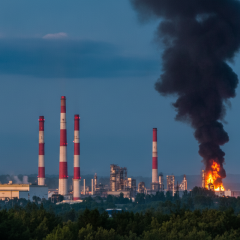
This guidance follows intensified Russian strikes starting September 30, 2026, when mass attacks targeted Ukraine’s energy facilities. On that day, the Trypilska Thermal Power Plant near Kyiv was damaged, triggering the first scheduled power outages in Kyiv and its region this autumn. Subsequent attacks on October 11 left parts of Kyiv without electricity, and on October 14, all three of Kyiv’s thermal power plants, along with energy sites in Kharkiv region, were hit. President Volodymyr Zelensky reported that since the start of the energy ceasefire, Russian forces have struck Ukraine’s energy and oil and gas infrastructure 76 times. Russia continues to target residential and industrial facilities, preparing to intensify assaults on critical infrastructure throughout autumn and winter 2026. The Russian Ministry of Defense described these upcoming attacks as a "response" to Ukrainian strikes on Russian targets.
Given this volatile situation, Ukrainians must be ready for potential extended electricity disruptions. With the surge in attacks on energy infrastructure, thorough winter preparedness is essential to maintain safety and comfort at home. Collaborative efforts among neighbors and careful planning can significantly ease the challenges posed by power and heating outages.
As the situation evolves, recent reports indicate a marked increase in targeted assaults on Ukraine's energy infrastructure, highlighting the urgent need for residents to stay informed and prepared. This early onset of energy targeting emphasizes the importance of proactive measures in safeguarding homes against potential disruptions this winter.

Read also