Alexander Klymenko Highlights Key Reforms to Strengthen Ukraine’s Anti-Corruption Efforts at the ‘Resilience in Action’ Forum

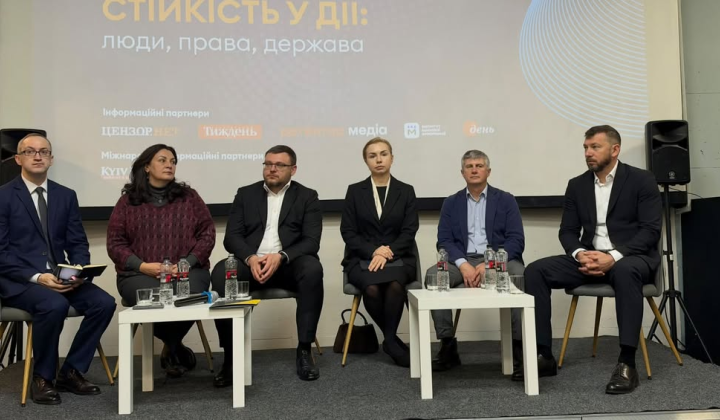
‘Resilience in Action: People, Rights, State’ Forum
According to САП: On November 17, Alexander Klymenko, head of the Specialized Anti-Corruption Prosecutor’s Office (SAPO), participated in the forum titled ‘Resilience in Action: People, Rights, State.’ The event focused on legislative reforms aimed at enhancing the effectiveness of Ukraine’s anti-corruption agencies within the framework of the country’s European integration. During the forum, Klymenko emphasized the critical need to empower SAPO to initiate investigations into members of parliament without requiring approval from the Prosecutor General.
This provision is essential for fulfilling Ukraine’s commitments under the EU integration strategy, specifically within the ‘Foundations’ negotiation cluster for 2026–2030. Klymenko also stressed the importance of addressing conflicts of interest in international cooperation, especially when forming joint investigation teams and submitting extradition requests.
“When we file extradition requests concerning individuals connected to the Prosecutor General, we must have mechanisms to eliminate conflicts of interest,” Alexander Klymenko stated.
Civil Society’s Role and Reform Priorities
The proposed amendments seek to resolve conflicts of interest and grant SAPO autonomy in exceptional cases. A key priority is ensuring the independence and promptness of expert evaluations to accurately assess damages, which is vital for restoring and safeguarding funds provided by international partners.
The discussion also highlighted the crucial role of civil society in maintaining the independence of anti-corruption institutions and supporting reforms necessary for Ukraine’s EU accession. The forum was organized by the National Interests Protection Network (ANTS) and the Westminster Foundation for Democracy (WFD).
The legislative changes debated during the forum underscore the significance of ongoing reforms within the context of Ukraine’s European integration. The proposals introduced could be pivotal in reinforcing the independence and efficiency of anti-corruption bodies, enhancing their ability to combat corruption effectively. Additionally, active civil society engagement plays a vital role in promoting transparency and building public trust in anti-corruption initiatives. This reflects a growing recognition that reform strategies must be multifaceted, addressing various factors that influence the performance of state institutions.
In addition to the discussions at the ‘Resilience in Action’ forum, Klymenko's recent presentation at the International Anti-Corruption Forum in Bucharest highlighted significant achievements of the Specialized Anti-Corruption Prosecutor's Office (SAPO) and the National Anti-Corruption Bureau (NABU). This context underscores the ongoing efforts and reforms crucial for enhancing Ukraine's anti-corruption framework as it moves toward EU integration.

Read also