A Ukrainian Woman Shares Insights on Social Aid and Daily Life for Refugees in Sweden

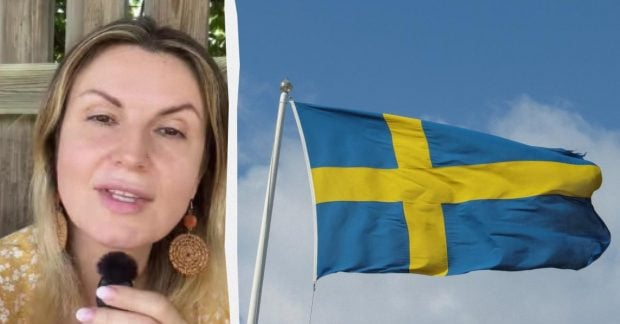
Living as a Ukrainian Refugee in Sweden: A Personal Account
According to УНІАН — Туризм: Asiyat Dorokhova, a Ukrainian woman residing in Sweden, opened up about her journey adapting to life in the country. She provided an in-depth look into Sweden’s social welfare system, healthcare services, employment opportunities, housing, and education access for displaced individuals. Known for one of Europe’s most comprehensive social support networks, Sweden still requires newcomers to navigate certain procedures before accessing full benefits.
One of the earliest hurdles for refugees is securing a personal identification number, which is only granted after one year of residence. Asiyat explained the challenges this poses:
“Without a personal ID number, which isn’t given immediately, it’s very difficult to rent accommodation quickly or access many services. Even simple things like store discounts aren’t available without this number.”
Once granted, adults become eligible for monthly government aid amounting to approximately 500 euros. For those without formal employment, the state covers housing rental costs entirely.
Healthcare and Employment Challenges
Sweden’s healthcare system presents its own set of challenges. According to Asiyat:
“Booking appointments with specialists can take weeks or even months, and laboratory tests tend to be expensive.”
However, for serious medical procedures or treatment of severe illnesses, the government covers the majority of expenses, with patients typically paying only about 30 euros per visit.
Finding work in Sweden largely depends on language skills. Proficiency in Swedish or English is essential, as job opportunities are limited without it. Nonetheless, new arrivals receive free temporary housing initially, which can later be replaced with permanent apartments at no cost. Asiyat highlighted this support:
“Right from the start, you get free housing. Initially, it’s temporary, then you move into an apartment free of charge. You also receive some assistance for food, which, if managed carefully, can be sufficient.”
Sweden also offers educational programs, including free Swedish language courses and university admissions without age restrictions. Admission requires a school diploma and language certificates.
Additionally, the Swedish government provides financial support up to 32,000 euros for those who choose to return to their home country voluntarily, provided they hold a valid Swedish residence permit. This option creates extra flexibility for refugees considering repatriation.
Asiyat Dorokhova’s experience sheds light on both the obstacles and opportunities faced by Ukrainians relocating to Sweden. While the country’s social programs are extensive, newcomers must overcome initial adaptation stages, which can be demanding. Nevertheless, with state support, refugees have a real chance to integrate successfully and build a stable life in their new environment.
As the situation for Ukrainian refugees evolves, financial support from the Swedish government has become a critical factor in their decisions. In a recent development, some Ukrainians may receive up to €32,000 for leaving the country, which adds another layer to the ongoing conversation about assistance for displaced individuals. For further insights into who qualifies for this support, explore the details in our article about financial aid for Ukrainians leaving Sweden.

Read also