The Position of the Ukrainian Language as a Minority Language in Five EU Nations, Contrasted with Its Lack of Status in Germany

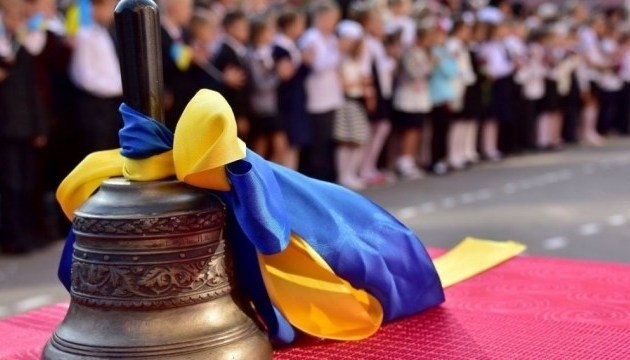
Ukrainian Language Rights Across EU Member States
According to Radiotrek — Світ: Within the European Union, Ukrainian is officially recognized as a minority language in five countries: Croatia, Romania, Hungary, Poland, and Slovakia. These nations vary in how they accommodate Ukrainian-language education and protect the linguistic rights of their Ukrainian communities through specific legislation. In contrast, Germany, home to over 1.2 million Ukrainians under temporary protection, does not grant Ukrainian any official minority language status.
Educational Opportunities for Ukrainian Speakers
In Croatia, Ukrainians have access to education in their native language from preschool through secondary school. However, Ukrainian is not an official language in local government. According to the Council of Europe's report on the European Charter for Regional or Minority Languages, Ukrainian is not recognized as an official language within any local administrative unit in Croatia.
- Romanian law similarly acknowledges Ukrainian as a minority language, ensuring protection of linguistic rights and promoting Ukrainian-language education and cultural institutions.
- Slovakia grants Ukrainian the same minority language status, supporting active Ukrainian cultural and educational organizations.
- In Hungary, Ukrainian is one of 13 recognized minority languages protected under the European Charter. However, Ukrainian-language instruction is contingent upon the organization at the individual school level and sufficient student numbers.
- Poland also recognizes Ukrainian as a minority language. Ukrainian children may study under Poland’s standard educational system and learn Ukrainian either as a minority language, a foreign language, or through supplementary programs run by diplomatic or cultural-educational organizations.
It is important to note that minority language status does not equate to official state language status. This means Ukrainian is not mandatory for use by government institutions or in everyday public communication in these countries.
Despite hosting a significant number of temporary Ukrainian migrants, Germany does not confer minority language status to Ukrainian. This designation is limited to four indigenous minorities, including the Sorbs and Frisians. Consequently, linguistic rights for Ukrainians remain a critical issue both in countries recognizing them as a national minority and in those with substantial Ukrainian populations but no official language protections.
The current landscape of Ukrainian language rights in Europe highlights the crucial role of cultural identity support for Ukrainian communities across different countries. Even with existing legal frameworks, the question of Ukrainian's official status remains pressing, particularly given the large Ukrainian diaspora in Germany. Recognizing these language rights could significantly aid the integration of Ukrainians into European society while preserving their rich cultural heritage.
As the recognition of the Ukrainian language continues to gain momentum globally, recent developments in Brazil highlight an increasing commitment to linguistic diversity. This shift not only reflects a broader trend in various nations but also raises questions about the status of Ukrainian in other countries, particularly in the context of its minority language rights. To explore how different nations are responding to the needs of Ukrainian speakers, read more about Brazil's recent decision to officially recognize the Ukrainian language.

Read also