Ukrainian Drones Destroy Bridges and Crossing in Chongar

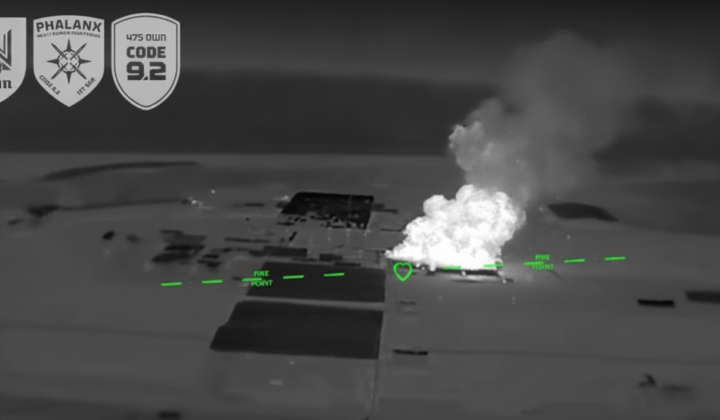
Strikes on Chongar
According to ХВИЛЯ: In the early hours of June 13, Ukrainian forces launched attacks on Chongar, damaging critical infrastructure. The targets included:
- a pontoon crossing;
- a railway bridge;
- the 'Dzhankoy' checkpoint;
- a truck.
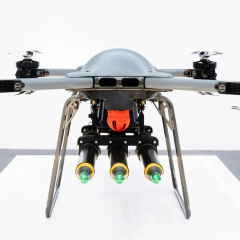
The strikes were carried out by drones from the 1st Separate Assault Regiment named after Dmytro Kotsiubailo and the 475th Assault Regiment 'CODE 9.2'. Volodymyr Saldo confirmed the attack, stating that bridges on the route to Chongar had been hit.
Response from Occupation Authorities
In response, the Russian occupation authorities in Kherson region and Crimea closed roads leading to the peninsula. Access to the 'Dzhankoy' checkpoint was temporarily restricted. Additionally, a bridge between Henichesk and the Arabat Spit was damaged. Analysts from DeepState noted that Chongar and the Arabat Spit are now under fire control by Ukrainian defense forces.
Regiment soldiers reported that 'the capacity of the pontoons is low, forcing trucks to queue up and become easy targets for us.'
“We are bleeding the enemy to advance. This is not the end. More to come.” - representatives of the assault regiment
These events highlight the ongoing military operations in the region and their significant impact on Russian occupiers' logistics.
The strikes on Chongar reflect an intensification of military activity in Ukraine, as Ukrainian forces aim to weaken Russian supply lines. Damage to key infrastructure like bridges and crossings could disrupt the delivery of resources to Russian troops in the area. Future actions by Ukrainian units may influence the course of the conflict and the strategy of Russian occupiers in Kherson region and Crimea.
The recent strikes on Chongar are part of a broader strategy to disrupt Russian military logistics in the region. For a deeper understanding of the implications of these drone attacks on the infrastructure near Crimea, you can read more about the recent drone strike on the Chongar bridge and its significance in the ongoing conflict.

Read also