Moscow's Largest Oil Refinery Hit in Major Ukrainian Drone Strike

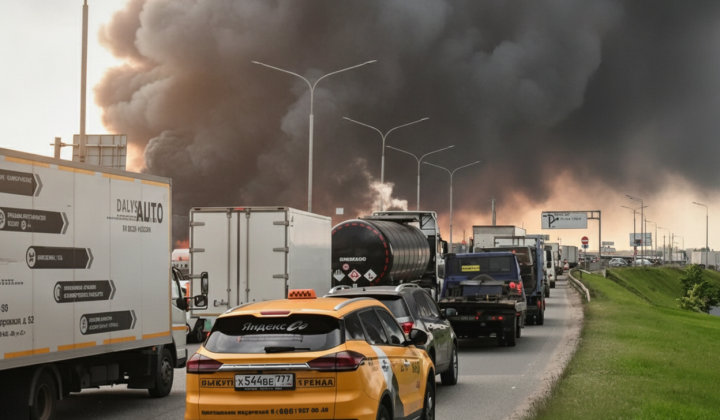
Massive Ukrainian Drone Assault Targets Moscow
According to Главком: On June 18, a large-scale attack by Ukrainian drones struck Moscow, damaging a major oil refinery in the Kapotnya district. This facility supplies roughly 40% of the fuel used in the Moscow region. The assault also forced the temporary closure of one of Russia’s busiest airports. Russian air defense systems reportedly intercepted over 90% of the drones involved in the attack.
Cracks in Russia's Air Defense Shield
Analysts point to serious vulnerabilities in Russia's air defense network. Ukrainian long-range drones have become adept at plotting complex flight paths and bypassing potential interception zones. Moscow’s defense was once a multi-layered system with several protective echelons, but the redeployment of Russian systems to occupied territories in Ukraine has dismantled that layered structure.
Additional factors complicating Moscow’s defense include:
- a shortage of S-300 systems due to sanctions and a lack of spare parts;
- geographic challenges such as dense urban development and numerous high-rise buildings.
These conditions make it harder to detect small targets.
“The denser the urban area, especially with high-rises, the easier it is for drones to hide from radar behind buildings,” notes Ruslan Leviev.
Anatoliy Khrapchynsky also highlights that Russian systems like the Pantsir-S1 were designed to counter cruise missiles and large aerial targets, but modern drones are often made from composite materials like plastic or plywood, making them harder to spot.
“Russia’s redeployment has shattered what was once a multi-layered air defense system, leaving it more like a patchwork,” Khrapchynsky explains.
Amid these events, Ukrainian President Volodymyr Zelensky confirmed that this was the second strike on the Moscow refinery within a week. “It’s time to end this war, and Russia must take the necessary diplomatic steps,” he stated. Meanwhile, Kremlin spokesman Dmitry Peskov declared that Russia would continue its strikes on targets in Ukraine, signaling no de-escalation.
With Russia’s State Duma elections approaching in September, the Kremlin may downplay the significance of the drone attack. Ruslan Leviev observes that “military plans have been little altered by drone strikes. These are more political strikes-a way to influence public opinion.” Thus, the drone assault on Moscow carries both military and political weight in the ongoing conflict between Ukraine and Russia.
This incident underscores Ukraine’s growing capability to conduct operations inside Russian territory and the challenges facing Russia’s air defense systems. Amid concerns over the safety of major cities like Moscow, such events could affect morale and political stability in Russia as elections near. The political fallout from this conflict may become a key factor shaping both sides’ strategies in the near future.
The recent drone strike on Moscow’s oil refinery is part of a larger pattern of escalating attacks targeting critical infrastructure within Russia. For a more comprehensive understanding of the implications of this assault and its impact on various regions, see our detailed coverage on significant drone strikes across multiple Russian territories.

Read also