Russia's Largest Oil Refinery Crippled by Ukrainian Drone Strikes

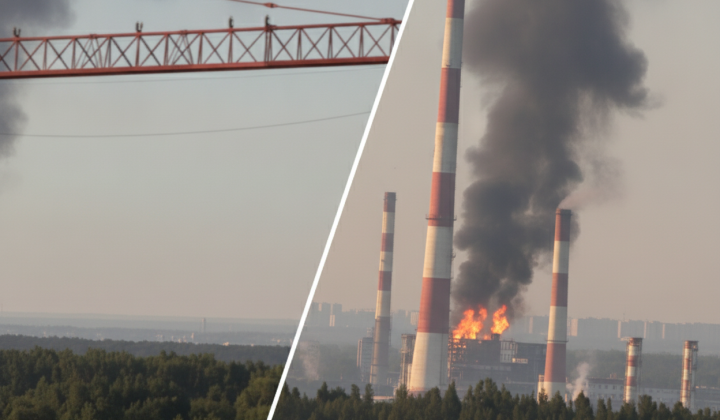
Drone Attacks Target Lukoil's Nizhegorodnefteorgsintez Refinery
According to Главком: Since March 13, 2024, drone strikes have repeatedly hit the Lukoil-Nizhegorodnefteorgsintez oil refinery in Kstovo, located in Russia's Nizhny Novgorod region. This facility ranks as the fourth-largest refinery in Russia and supplies roughly 30% of the gasoline consumed by the Moscow area. With an annual processing capacity of 17 million tons, it plays a critical role in the country's energy infrastructure.
Timeline of the Attacks
The assault began on March 13, 2024, when a drone damaged the ELOU-AVT-6 unit, which handles 53% of the refinery's crude oil processing. A second strike occurred on July 28, 2024. On the night of January 29, 2025, drones targeted the Kstovo industrial zone, with Ukrainian sources reporting four hits and explosions at the refinery. Subsequent attacks have continued to degrade the plant's operations.
- March 13, 2024 - Damage to the ELOU-AVT-6 unit.
- July 28, 2024 - Another strike on the refinery.
- January 29, 2025 - Attack on the Kstovo industrial zone.
- July 13, 2025 - Drone strike ignites a fire at the refinery.
- October 5, 2025 - Explosions near the facility.
- October 16, 2025 - Hit on the L-24/300 hydrotreater unit.
- November 4, 2025 - Attack on the Kstovo industrial area.
- April 5, 2026 - Repeat assault on the plant.
- April 18 and May 20, 2026 - Strikes leading to a partial halt in crude processing.
On May 20, 2026, the CDU-6 unit-responsible for over half of the refinery's capacity and capable of processing roughly 25,700 tons of crude per day (about 190,000 barrels)-was shut down. This unit accounts for 53% of the plant's total output. In June 2026, the refinery also paused operations following a Ukrainian drone strike.
These events pose serious challenges for Lukoil-Nizhegorodnefteorgsintez, potentially threatening energy stability in the region and across the country.
The Lukoil-Nizhegorodnefteorgsintez refinery is essential for supplying fuel to the Moscow region; its damage could have major repercussions for Russia's economy and energy security.
The frequency of these drone attacks highlights the growing role of advanced technology in modern warfare and exposes vulnerabilities in strategic infrastructure. Given the refinery's significance, continued strikes may push for tighter security measures or shifts in the nation's energy policy.
The ongoing drone strikes on key oil facilities in Russia highlight a troubling trend for the country's energy sector. In addition to the recent attacks on the Lukoil refinery, a similar incident occurred in Kapotnya, just outside Moscow, where drones targeted another oil refinery for the second time within a week. This escalation raises concerns about the stability of oil supplies in the region and the broader implications for energy security. For more details on the strikes in Kapotnya, see our coverage here.

Read also