Ukraine's Steel Industry Urges Halt to Age-Based Scrapping of Freight Cars to Avert Post-War Shortage

A Call for Reform in Freight Transport
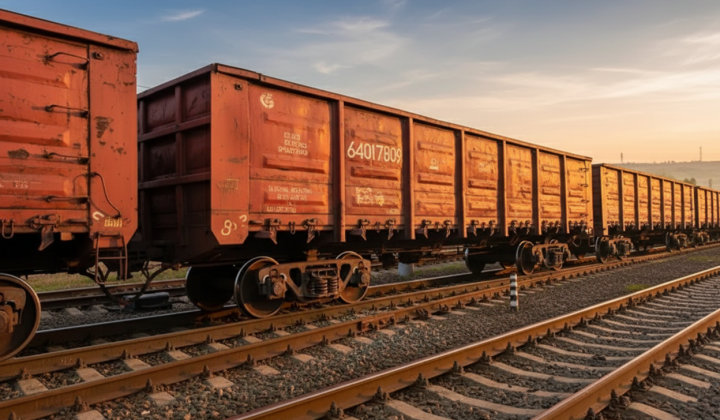
According to Главком: Oleksandr Kalenkov, President of the Ukrainian Association of Steel Producers (Ukrmetallurgprom), is urging authorities to abandon the practice of scrapping freight cars based solely on their regulatory service life. Instead, he proposes a shift to assessing each wagon's actual technical condition. This move, Kalenkov argues, is crucial to prevent a shortage of rolling stock after the war, when transport volumes are expected to surge. To facilitate this, he suggests temporarily suspending the strictest regulatory service deadlines for the duration of the martial law period.
Current regulations, under Order No. 647, mandate control based on a fixed service life. However, Kalenkov points out that developed nations like those in the EU, the US, and Canada use a different model.
“Nowhere in developed countries, neither in the EU, the US, nor Canada, does this exist. There, wagons are operated, repaired, undergo major overhauls, and run perfectly well for 40-60 years,”
he stated.
The Core Problem and Need for Change
Kalenkov emphasizes that it is illogical to scrap relatively new wagons that may be in poor technical condition due to improper maintenance or repair.
“This is an absurdity that must be fought. But it has nothing to do with setting a wagon's service life,”
he notes. The Ukrmetallurgprom President also expressed concern about creating an artificial situation where perfectly good, quality wagons could be scrapped, leading to a manufactured shortage.
The types of wagons essential for transporting the products of Ukraine's economy include:
- Gondola cars
- Hopper cars (for grain)
- Tank cars
Kalenkov calls for a fundamental change in approach, insisting that the sole criterion must be the specific condition of each individual wagon.
“Therefore, we need to move away from the practice of determining a wagon's technical state by its normative service life,”
he concluded.
This statement highlights critical challenges in Ukraine's freight transport sector, which is vital for the nation's wartime logistics and future reconstruction. The proposed shift to a condition-based assessment system is seen as a key measure to ensure sufficient rail capacity for economic recovery, aligning Ukrainian practices with international standards to build a more resilient supply chain.

Read also