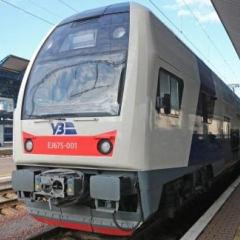
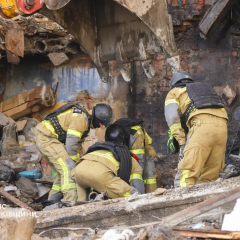
Ukrzaliznytsia Adjusts Train Routes in Sumy Region

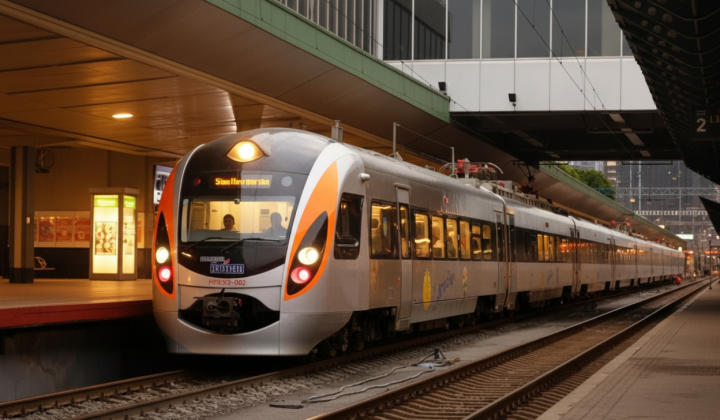
Ukrzaliznytsia Announces Passenger Service Modifications
According to Главком: Ukrzaliznytsia, Ukraine's state railway operator, has implemented temporary changes to passenger services in the Sumy, Poltava, and Kharkiv regions. These adjustments are due to security concerns and technical issues. In the Sumy region, the passenger service pattern is being altered. Train No. 896/895 will now run on the Krolevech – Fastiv route instead of Shostka – Fastiv. Furthermore, on February 5th, train No. 6542 Konotop – Nepliuyeve will be temporarily suspended, with train No. 6546 Konotop – Nepliuyeve serving as an alternative.
Delays and Safety Measures
Trains in the Poltava and Kharkiv regions are also experiencing delays due to a lack of power in the overhead contact network. Specifically, train No. 6572 Poltava-Pivdenna – Brestyn departed from its origin station 30 minutes behind schedule, and train No. 6571 Brestyn – Poltava-Pivdenna is traveling from Stepove station with a delay of 1 hour and 15 minutes.
For security reasons in the Sumy region, Ukrzaliznytsia is employing combined logistics. A passenger transfer system involving both train and bus has been organized for the direction toward Shostka. In light of the current situation, railway officials are urging passengers to pay close attention to on-site announcements.
Ukrzaliznytsia, in cooperation with the Polish company PKP PLK, has set up a heating point at the Przemyśl station, which has already been used by 150 people.
These schedule changes are a direct result of the ongoing security situation in the regions where Ukrzaliznytsia operates. The railway network has been under significant strain since Russia's full-scale invasion, requiring constant adaptation to ensure passenger safety. Such operational flexibility is critical for maintaining essential transport links during periods of instability and external threats to infrastructure.

Read also